
By Mercy Lung’aho, IITA
On World Pulses Day 2026, the theme chosen by the Food and Agriculture Organization, “Pulses of the world: from modesty to excellence,” could not be more timely. It captures a quiet transformation already unfolding across kitchens, streets, and food labs, especially in low- and middle-income countries where pulses have long anchored diets, livelihoods, and resilience.
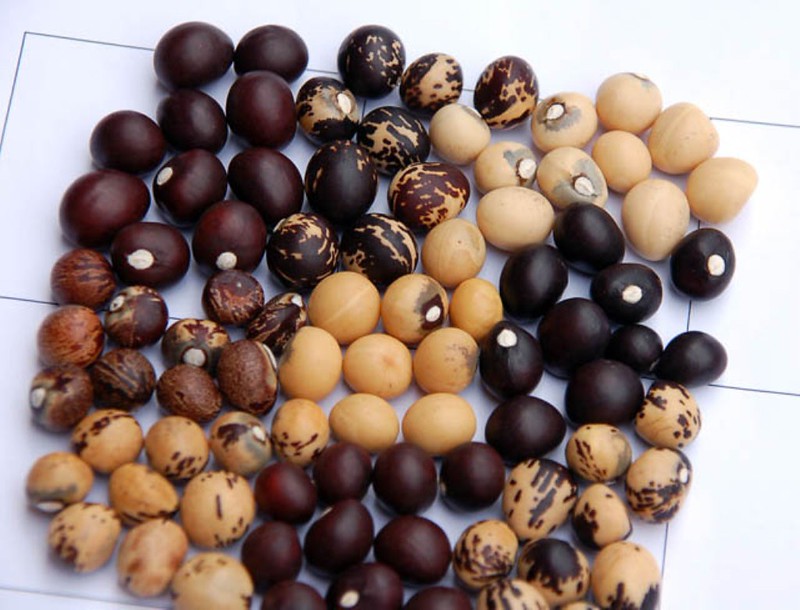
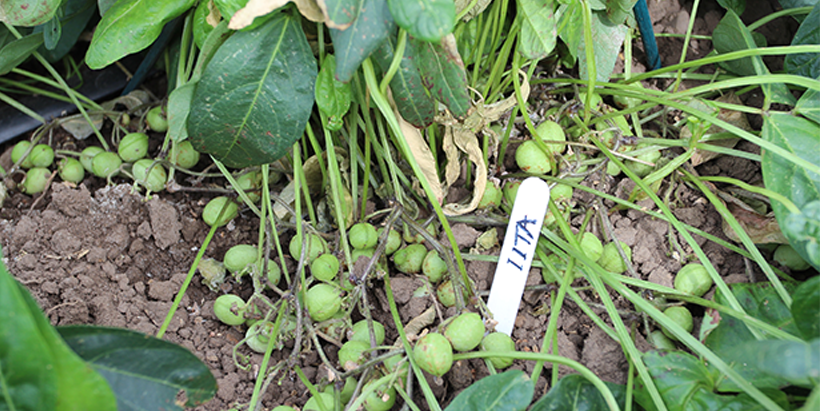
I have tasted this transformation in three places, through one crop. In Accra, Bambara groundnut appeared on a buffet, cooked as a rich stew and served with banku. It was familiar, comforting, and deeply rooted in place. In Jigawa, northern Nigeria, the same Bambara was roasted and sold as a street snack, eaten on the go, crunchy, affordable, and shared among travelers and passers-by. In my laboratory, the team is formulating Bambara milk that can be positioned alongside almond and oat—modern, aspirational, and unmistakably global.
One crop. Three formats. Three identities. This is what “from modesty to excellence” looks like in practice. Yet despite this versatility, a persistent challenge remains. Many young consumers increasingly value meat over pulses. This preference is not simply about nutrition or taste. It is also about status, convenience, and what feels modern. If pulses are to compete in this landscape, especially among urban youth, we need to influence demand differently.
Drawing on my experience working across food science, nutrition, and food systems in more than 30 countries in Africa, three influences matter most.
First, aspirational framing and identity. Young consumers do not reject pulses because they lack protein or micronutrients. They reject the story attached to them. Pulses are too often framed as survival foods, rural foods, or foods of scarcity. Meat, by contrast, signals affluence, success, and celebration.
This narrative must change. Pulses need to be repositioned as smart foods for performance, wellness, and longevity. They align naturally with climate-conscious values, ethical consumption, and global food trends, but we rarely present them that way. When Bambara becomes a smoothie on television, it stops being a “poor man’s food” and becomes a lifestyle choice. Identity drives consumption long before information does.
Second, convenience and product innovation. Meat dominates modern diets because it fits seamlessly into fast-paced urban lives. It is visible in quick-service restaurants, packaged meals, and ready-to-eat formats. Pulses often lose before the competition begins, simply because they demand time, planning, and preparation. Expecting young consumers to sort, soak overnight, and cook pulses regularly is unrealistic.
Innovation must focus on effortlessness. Ready-to-use pulse flours, roasted snacks, beverages, spreads, and hybrid products can meet youth where they already are. Bambara milk works not because it is traditional, but because it is convenient, versatile, and legible within modern food environments.
Third, social proof and cultural endorsement. Young consumers follow signals from peers, chefs, athletes, influencers, and urban food culture. What is visible, endorsed, and shared becomes desirable. Pulses rarely enjoy this spotlight. When chefs reimagine pulse-based dishes, when athletes speak about plant protein, when urban cafés serve pulse-based drinks without apology, pulses gain cultural capital. World Pulses Day matters not just for awareness, but for normalizing pulses in the modern imagination.
These three influences are not abstract. They point directly to policy choices. If governments are serious about improving diets and nutrition, strengthening food systems, and supporting livelihoods, pulses must move from the margins of agricultural and food policy to the center. This requires corrective and complementary policies that do three things.
First, support diversified pulse production through diet research, seed systems, and climate-smart extension. Second, incentivize private-sector innovation that transforms pulses into convenient, youth-friendly, minimally processed products. Third, embed pulses visibly in public procurement, school feeding, and urban food environments so they are seen, consumed, and valued. Not as bland or institutional meals, but as delicious, appealing foods that make adoption intuitive and lasting.
This is not about replacing meat. It is about balance, diversity, and resilience. Pulses deliver nutrition at a fraction of the environmental cost. They support smallholder farmers, many of them women. They enrich soils and strengthen local food economies. Few foods offer such a powerful combination of health, sustainability, and livelihoods.
The question is not whether pulses are excellent. Our research at IITA-CGIAR shows that they already are. The question is whether our policies, markets, and narratives will allow consumers to see them that way. World Pulses Day 2026 invites stakeholders to answer that question with action.


No Comments