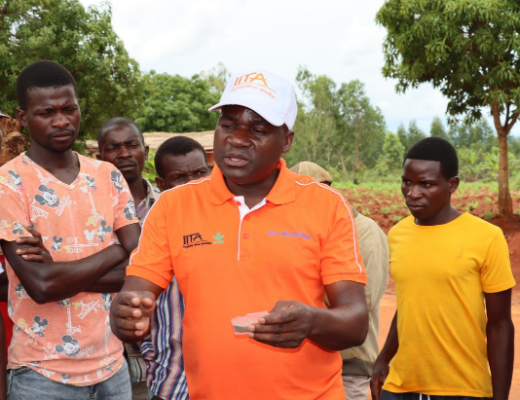
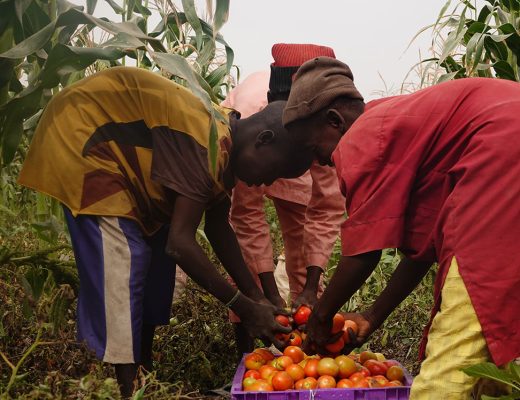
Across Nigeria’s tomato fields, smallholder farmers are navigating a rapidly transforming food system, shaped by growing urbanization, rising incomes, shifting diets toward fresh, safe, high-quality food. This has fueled the growth of midstream actors, such as aggregators, wholesalers, transporters,…
partnerships
IITA showcases seed systems, agricultural innovation, and strategic partnerships at FACIM
As part of efforts to strengthen engagement with the Government of Mozambique, farmers, private-sector actors, researchers, and development partners, IITA–CGIAR participated at the 61st edition of the Mozambique Agricultural, Commercial and Industrial Fair (FACIM) in Maputo recently. IITA used the…
Construction and application of pangenomes for CGIAR crop breeding and precision genetics
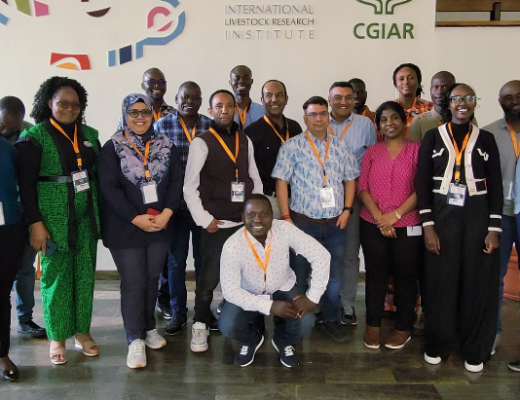
What does it take to move from understanding pangenomes to using them to solve real-world crop breeding challenges? That question brought 20 researchers to the IITA–CGIAR campus in Nairobi from 31 August to 4 September 2026 for a five-day workshop…
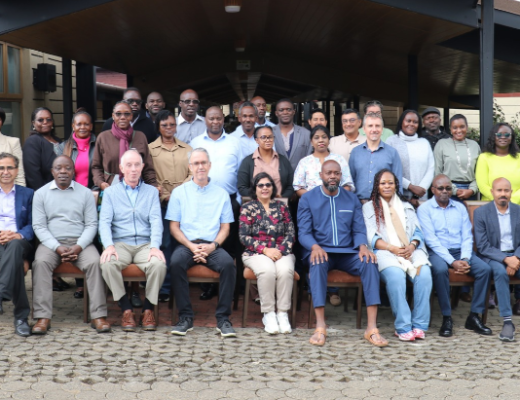
A promising technology. A pressing need. What connects the two? That question shaped discussions at the 2026 IITA Eastern Africa Hub Retreat, held from 16 to 18 September at Ridge Cabin Resort in Limuru, Kenya. Colleagues from across East…
Unlocking Africa’s crop diversity through adaptive breeding: Insights from Prof Carlos Iglesias
As part of the working visit of Dr Makram Geha, Director of the CGIAR Breeding for Tomorrow (B4T) Science Program, to IITA–CGIAR, Professor Carlos Iglesias of North Carolina State University (NCSU) delivered an engaging seminar that took participants on…
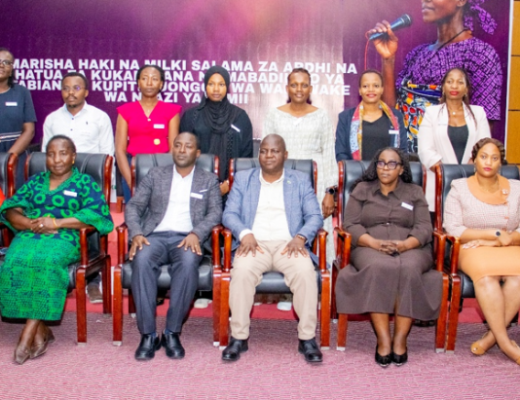
Unlocking women’s land rights in cassava agrifood system through legal aid: Transformative pathways from Stand for Her Land Tanzania Symposium
For over 70 percent of rural women in Tanzania, land is more than an agriculturally productive asset. It is the foundation for livelihoods, household food and nutrition security, economic empowerment, dignity, voice, and decision-making. Yet, despite legal protections,…
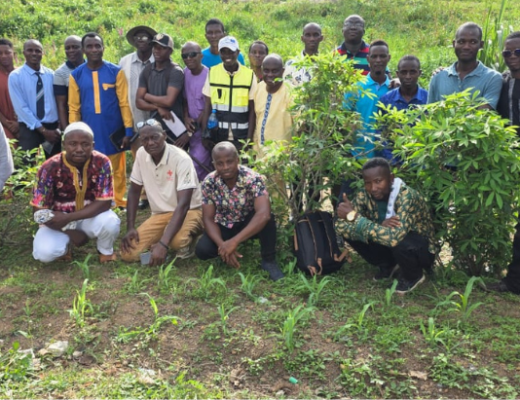
Healthy soils, stronger food systems: How science is powering Sierra Leone’s ‘Feed Salone’ agenda
For decades, farmers, researchers, and policymakers in Sierra Leone have worked with limited and outdated soil information, making it difficult to determine where crops perform best, what nutrients are needed, and how fertilizer/other input investments can deliver the…
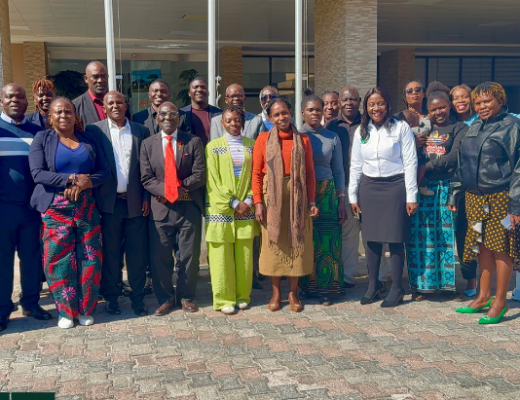
Mainstreaming responsible and inclusive approaches in scaling agricultural mechanization innovations in Zambia
Scaling agricultural mechanization innovations has enormous potential to transform Zambia’s food, land, and water systems by improving productivity, reducing labor demands, minimizing post-harvest losses, and creating new business opportunities across agricultural value chains. However, successful mechanization scaling is…