
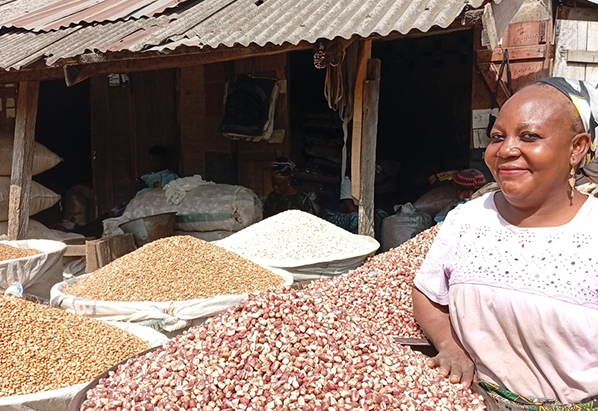
The end of the year is marked by celebrations, a time to reconnect and celebrate with family members and loved ones. While we express gratitude and celebrate with family and loved ones, we often share food at mealtimes and at parties. The holiday season ushers in numerous activities and gatherings. Food is central to the merriment. However, increased gatherings and food handling also increase food safety risks. Remember, protecting our food is essential to maintaining our health and a positive vibe during this period. Food safety should not be forgotten.
Here are some things to keep in mind during the festive periods to advance food safety:
- Always wash your hands thoroughly with soap and clean running water before and during food preparation to prevent contamination by germs.
- Sick people should be exempted from meal preparation, so that germs are not passed through food, leading to the transmission of illnesses to others.
- Limit outdoor meals and opt for hygienically prepared food. When sourcing food from vendors, seek sources where food is prepared hygienically, properly stored at the right temperature, and without contamination.
- Purchase produce and products from quality-sensitive traders. During festive seasons, some food producers and handlers may circumvent production processes, reduce production time, and accelerate product readiness.
For example, producers may overuse fertilizers, misuse pesticides by direct application, traders may force-ripen fruits and vegetables using toxic chemicals to meet festive demands, food processors may adulterate food products for economic gain, and livestock handlers may improperly use antibiotics in livestock production, leaving antibiotic residues and contributing to antimicrobial resistance with detrimental health consequences.
- Purchase livestock products from reputable, regulated vendors. Avoid purchasing livestock products that appear unnaturally large, discolored, diseased, or poorly handled.
- Cook foods at the right temperatures and for the correct duration.
- Avoid cross-contamination by separating raw meat from vegetables and other products.
- Trying new food can be interesting and adventurous; however, be mindful of your intolerances and allergies. Approach unfamiliar delicacies with caution to avoid getting ill.
- During the holidays, food items are often purchased in large quantities ahead of time to beat fluctuating prices or meet consumption demands. It is important to ensure safe and proper storage at the right temperatures and conditions.
- Confirm product expiry dates before purchases. Expired products should not be consumed as they may pose a threat to your health and lead to food-borne diseases. Remove spoiled food products and discard them immediately.
- Avoid buying ready-to-eat vegetables packed or displayed alongside raw meat, and only purchase from vendors who maintain good hygienic practices.
- Avoid unusually bright or suspiciously colored foods.
Prioritize quality and safety over price, even if it means paying a little extra, especially during the festive season. Simple choices can greatly reduce the risk of food-borne illnesses.
Food safety is not just a seasonal act but a lifelong attitude that is everyone’s responsibility. By choosing to consume safe food, drink clean water, eat safe fruits and vegetables, rest well, and share laughter with our loved ones, we protect our health and truly enjoy the season.
Contributed by Iyanu Lydia Ibrahim and Gbemisola Olawoyin Adedapo


No Comments