
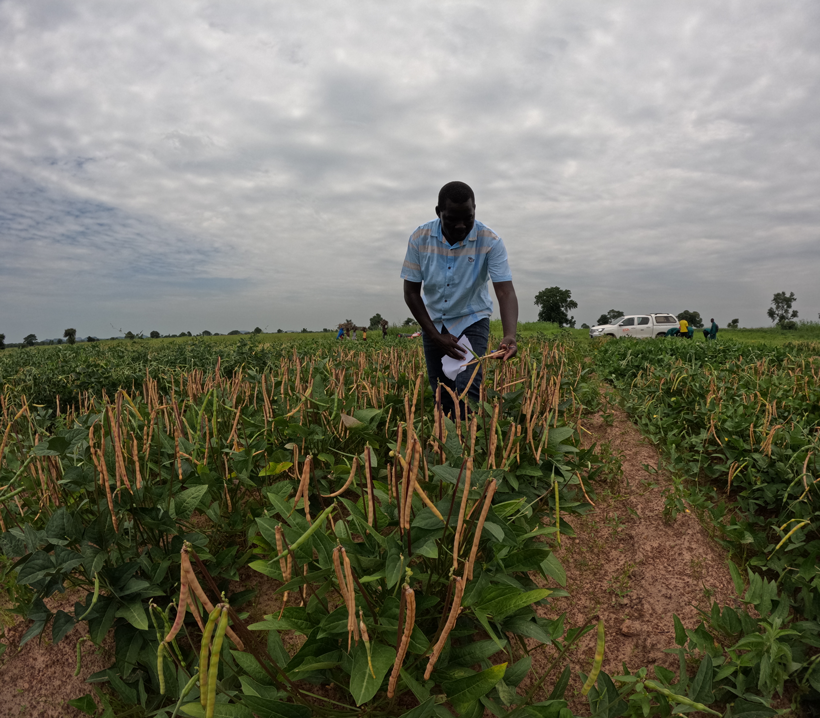
As the world celebrates World Pulses Day, it’s time to shine a spotlight on one of the most resilient, nutritious, and climate-smart crops on the planet—cowpea (Vigna unguiculata). Often called “poor man’s meat,” cowpea has long been a staple in many African, Asian, and Latin American diets. Yet today, emerging research, breeding innovations, and development initiatives show that cowpea is far more than a traditional crop: it is a linchpin for nutritious diets, rural resilience, and sustainable food systems.
Cowpea is a nutrition powerhouse!
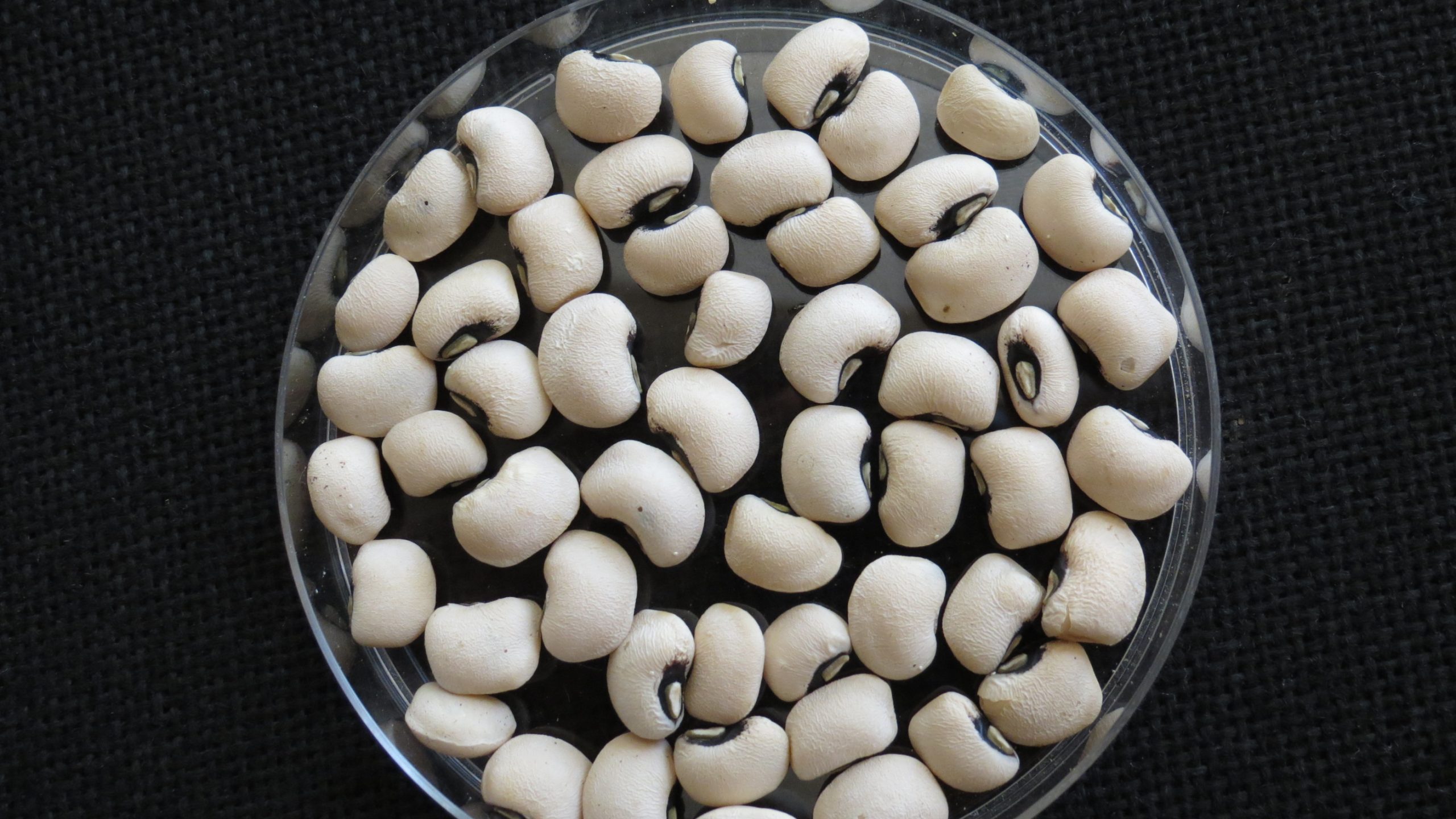
Cowpea seeds are rich in protein (20–30%), providing a critical source of plant-based protein in regions where animal protein is scarce or expensive. In addition to protein, cowpeas are excellent sources of dietary fiber, essential amino acids, iron, zinc, folate, and other micronutrients that support healthy growth and development, particularly among children and women of reproductive age.
Beyond seeds, the young leaves and pods of cowpea are consumed as vegetables in many communities. These parts are rich in vitamins A and C, antioxidants, and minerals that help reduce micronutrient deficiencies, a major health challenge in sub-Saharan Africa and South Asia.
This dual role as both a grain and a leafy vegetable makes cowpea uniquely positioned to improve dietary diversity, especially in rural households where access to diverse foods is limited.
Cowpea contributes to climate resilience and sustainability!
Cowpea is not just nutritious; it is tough. Thanks to its deep root system and drought-tolerant genetics, cowpea thrives in hot, dry environments where many other crops fail. This makes it an essential crop under climate change, particularly across the Sahel and dryland tropics.
From a sustainability perspective, cowpea helps improve soil health through biological nitrogen fixation. Like other legumes, cowpea forms symbiotic relationships with soil bacteria that convert atmospheric nitrogen into forms plants can use. When cowpea is integrated into cropping systems such as in rotation with cereals like millet and sorghum, it can reduce dependence on synthetic nitrogen fertilizers, lowering production costs and greenhouse gas emissions.
A growing body of research also shows cowpea’s potential to sequester carbon, particularly in systems where residue retention and intercropping are practiced. This positions cowpea as a true climate-smart crop.
Research and innovations driving impact
Recent advances in cowpea research are accelerating progress on multiple fronts:
Breeding for stress tolerance: Over the past decade researchers at the International Institute of Tropical Agriculture (IITA), CGIAR center, developed cowpea varieties that combine resistance to drought, heat, Striga weed, and pod borer pests, which are the key constraints faced by smallholder farmers. Marker-assisted selection and genomic prediction tools are fast-tracking the identification of elite lines with durable resistance and high nutritional quality.
Biofortification efforts: Plans are under way to breed cowpea with enhanced iron and zinc content, addressing hidden hunger in regions with prevalent micronutrient deficiencies. These biofortified varieties, coupled with community nutrition education, can significantly improve iron status and reduce anemia.
Market and value chain development: Partnerships between research institutions, like IITA, national research organizations, NGOs, and private sector players are expanding market opportunities for cowpea. Improved storage technologies, processing innovations (e.g., cowpea flour for snacks and fortified foods), and strengthened producer organizations are helping farmers capture more value.
Gender-responsive approaches: Women often lead cowpea production, processing, and marketing. Programs that provide women with access to quality seeds, training, and finance are empowering them economically while improving household nutrition and food security.
The case for cowpea
Across Africa, Asia, and beyond, cowpea is at the center of powerful change: In West Africa, community seed banks and participatory variety selection help farmers adopt improved cowpea varieties tailored to local conditions. In addition, farmer field schools integrate cowpea into cropping systems alongside cereals and legumes, reinforcing sustainable soil and water management practices. In East Africa, nutrition-sensitive agriculture programs promote cowpea as a key source of protein and micronutrients for children and pregnant women, linking production with behavior change communication on healthy diets.
These examples demonstrate that boosting cowpea production and utilization doesn’t just improve yields, it strengthens nutrition, livelihoods, and ecosystem health.
Scaling impact for food systems transformation
To fully harness the potential of cowpea for sustainable food systems, we need coordinated action across research, policy, and investment:
- Enhanced research funding for trait discovery, climate resilience, and nutritional quality.
- Seed systems that deliver quality, affordable seeds to smallholders at scale.
- Nutrition education that positions cowpea as a cornerstone of balanced diets.
- Market development that links farmers with value addition and demand in urban and rural markets alike.
On World Pulses Day, let us recognize cowpea not just as a humble pulse, but as a strategic crop for achieving food and nutrition security, farmer resilience, and sustainable agriculture in a changing world.
Cowpea is more than a crop, it is an opportunity to cultivate healthier people, resilient landscapes, and equitable food systems.
Contributed by Patrick O. Ongom and Ousmane Boukar
International Institute of Tropical Agriculture (IITA)


No Comments