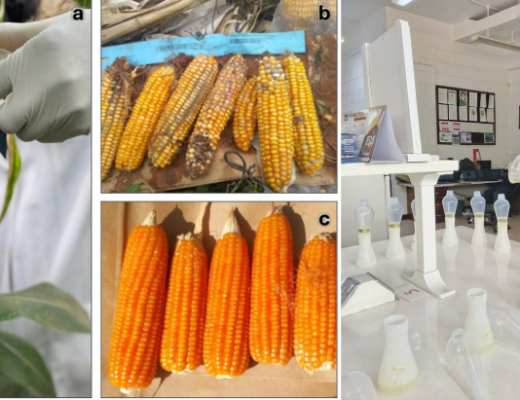
The collaboration between IITA’s Maize Improvement Program, Pathology and Mycotoxin/Aflasafe Unit, and the University of Ibadan has generated new evidence that resistance to aflatoxins can be combined with productivity and agronomic stability—bringing host-plant resistance closer to becoming a practical…
breeding
Construction and application of pangenomes for CGIAR crop breeding and precision genetics
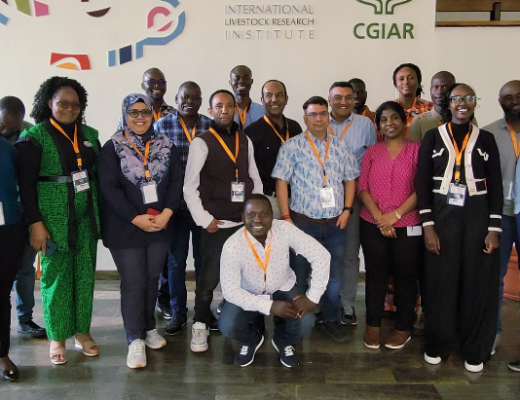
What does it take to move from understanding pangenomes to using them to solve real-world crop breeding challenges? That question brought 20 researchers to the IITA–CGIAR campus in Nairobi from 31 August to 4 September 2026 for a five-day workshop…
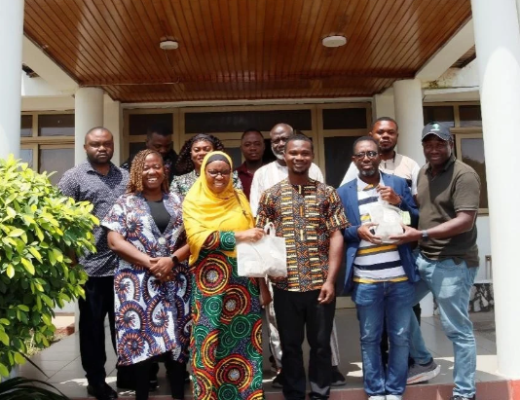
As part of efforts to support the availability of quality planting material for farmers ahead of the 2027 production season, IITA donated breeder seeds of two improved yam varieties to seed producers and national research institutions in Ghana recently. …
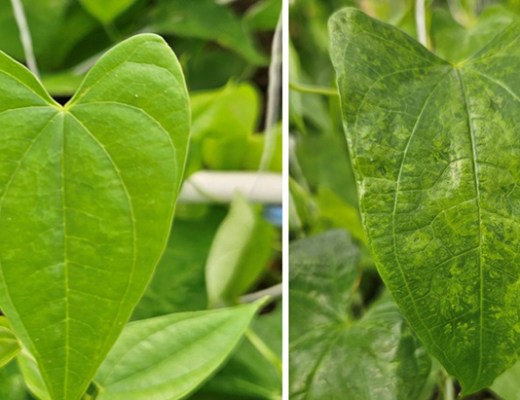
New genomic evidence could help scientists distinguish ancient viral remnants from active infections—and support safer yam germplasm exchange Yams are prone to several viruses, and some of their genomes contain diverse viruses known as endogenous pararetroviral sequences (EPRVs),…
From healthier bananas to safer food: Two IITA scientists among the world’s Top Agri-food Pioneers
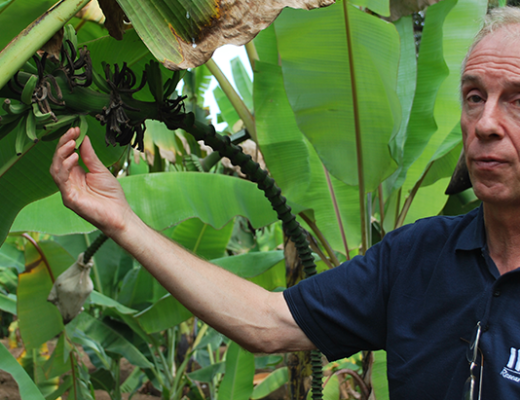
For millions of people across Africa, a healthy bunch of bananas on the farm or a bag of aflatoxin-free maize at the market may seem like ordinary sights. Yet behind these everyday realities are decades of scientific research, innovation,…
Unlocking opportunity crops to combat food insecurity: VACS professional fellows equipped with modern breeding tools to accelerate genetic gain
IITA, in collaboration with CIMMYT and other CGIAR centers, brought together breeders from across Africa for a five-day intensive training on breeding pipeline optimization and market intelligence, to accelerate genetic gain in the continent’s neglected yet highly nutritious “opportunity crops.” From Bambara groundnut cultivated in the savannahs of Ghana to Okra harvested in the humid forests…
Accelerating hybrid maize adoption in West Africa: Learning from Zambia and Zimbabwe
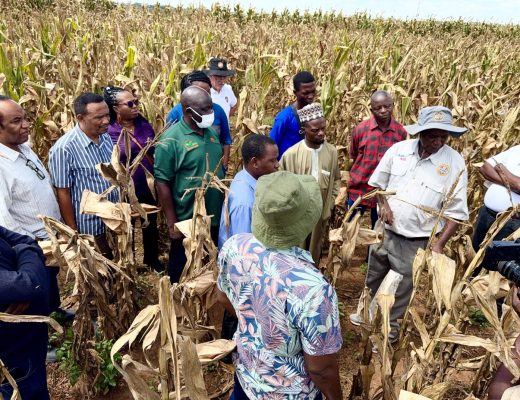
West Africa’s transition from open-pollinated maize varieties to high-performing hybrids could significantly transform productivity, strengthen food security, and improve resilience for millions of smallholder farmers. To support this shift, National Agricultural Research and Extension Systems (NARES) partners from Ghana,…
A high-resolution linkage map and chromosome scale-genome assembly for cassava by a group of international researchers, including some from IITA, has been published in G3 Genes Genomes Genetics, and highlighted by the Genetics Society of America (http://www.g3journal.org/content/5/1/133.full). The linkage…