
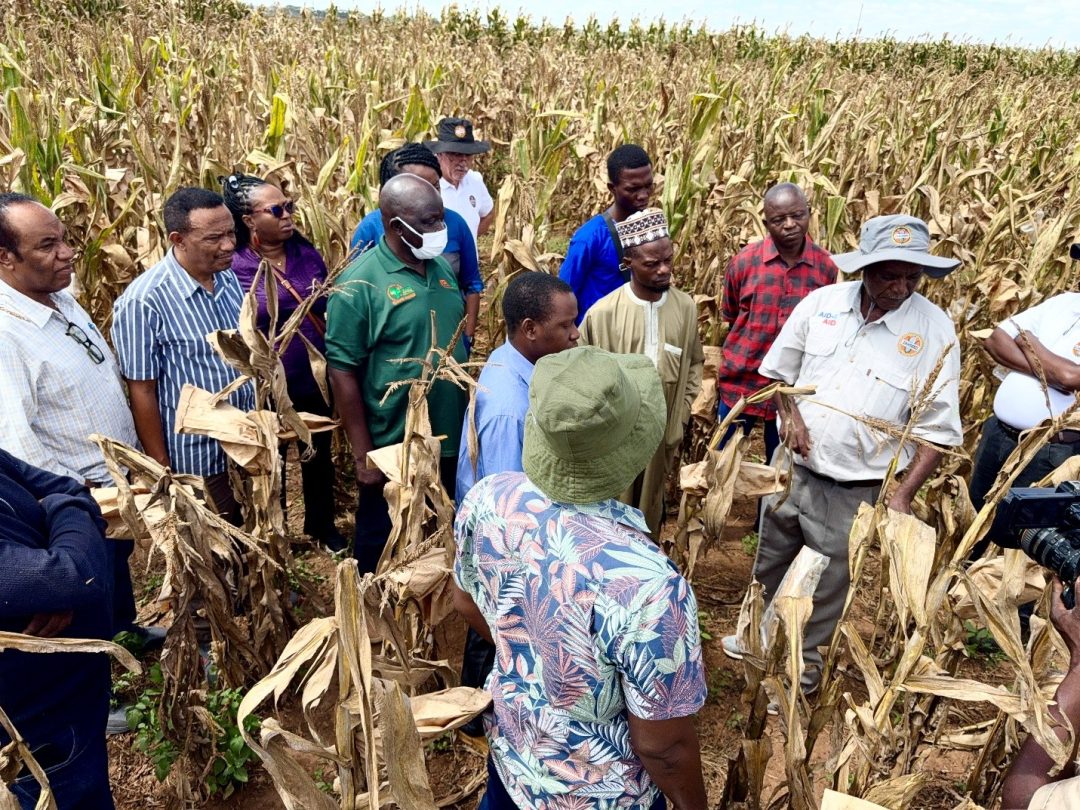
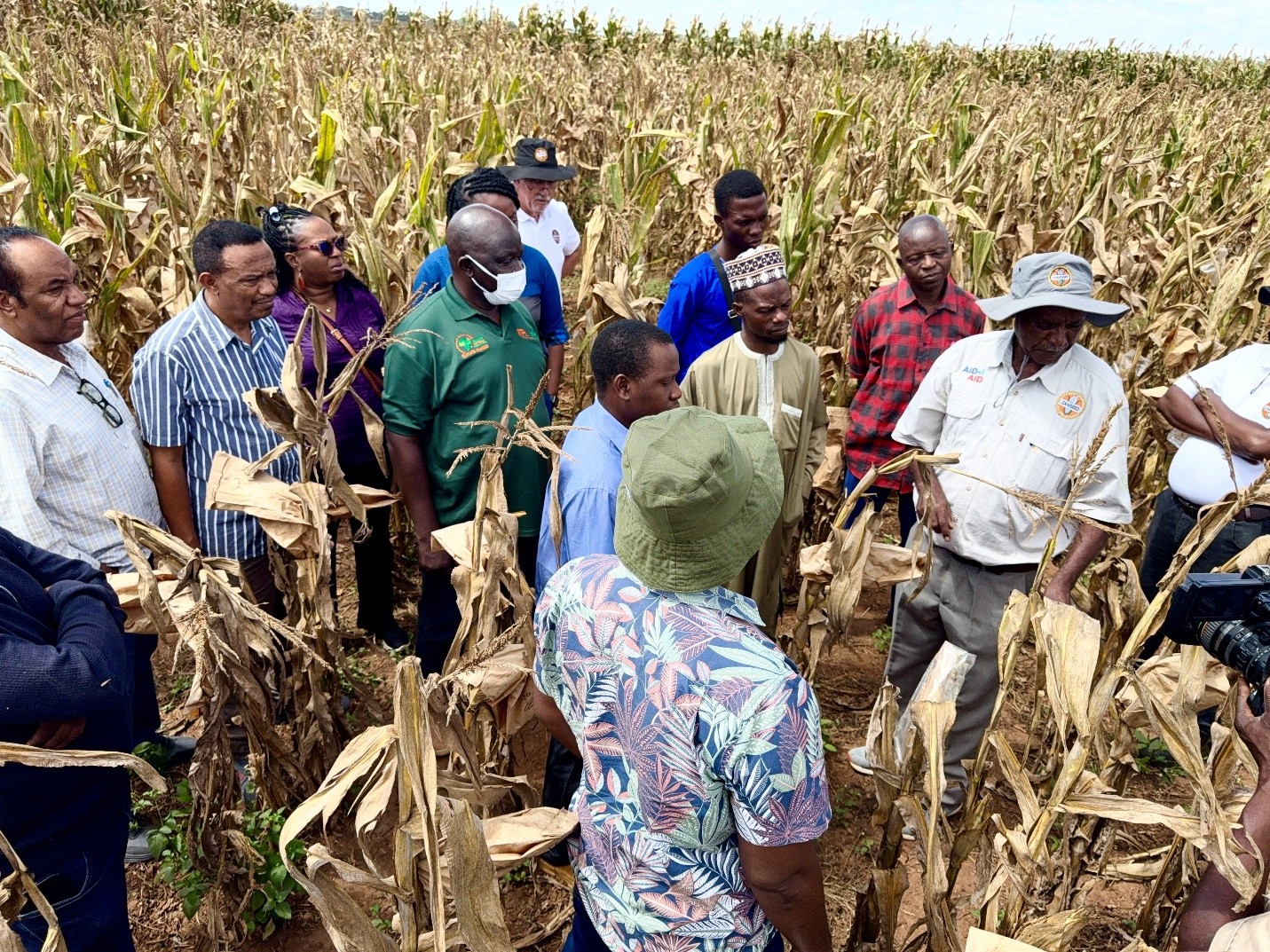
Mazie breeders are taken through a trial field at ZAMSEED in Zambia.
West Africa’s transition from open-pollinated maize varieties to high-performing hybrids could significantly transform productivity, strengthen food security, and improve resilience for millions of smallholder farmers. To support this shift, National Agricultural Research and Extension Systems (NARES) partners from Ghana, Nigeria, Mali, and Benin recently undertook a learning tour in Zambia and Zimbabwe, two countries with some of the most established hybrid maize systems in sub-Saharan Africa.
The tour, organized by IITA–CGIAR and International Maize and Wheat Improvement Center (CIMMYT) under the Gates Foundation-funded “Resilient Maize Hybrids for Africa” initiative and CGIAR’s Breeding for Tomorrow Science Program, aimed to strengthen partners’ capacity in hybrid development, seed production, field trial implementation, and deployment strategies to accelerate hybrid maize adoption across West Africa.
Why hybrid maize matters
In Africa, maize is more than just another crop. It is a staple food for millions of households and remains central to food security, livelihoods, and economic stability across the continent. While West Africa is one of the continent’s largest maize-producing regions, with countries such as Nigeria producing over 10 million metric tons annually, yields per hectare remain relatively low due to continued reliance on open-pollinated varieties (OPVs).
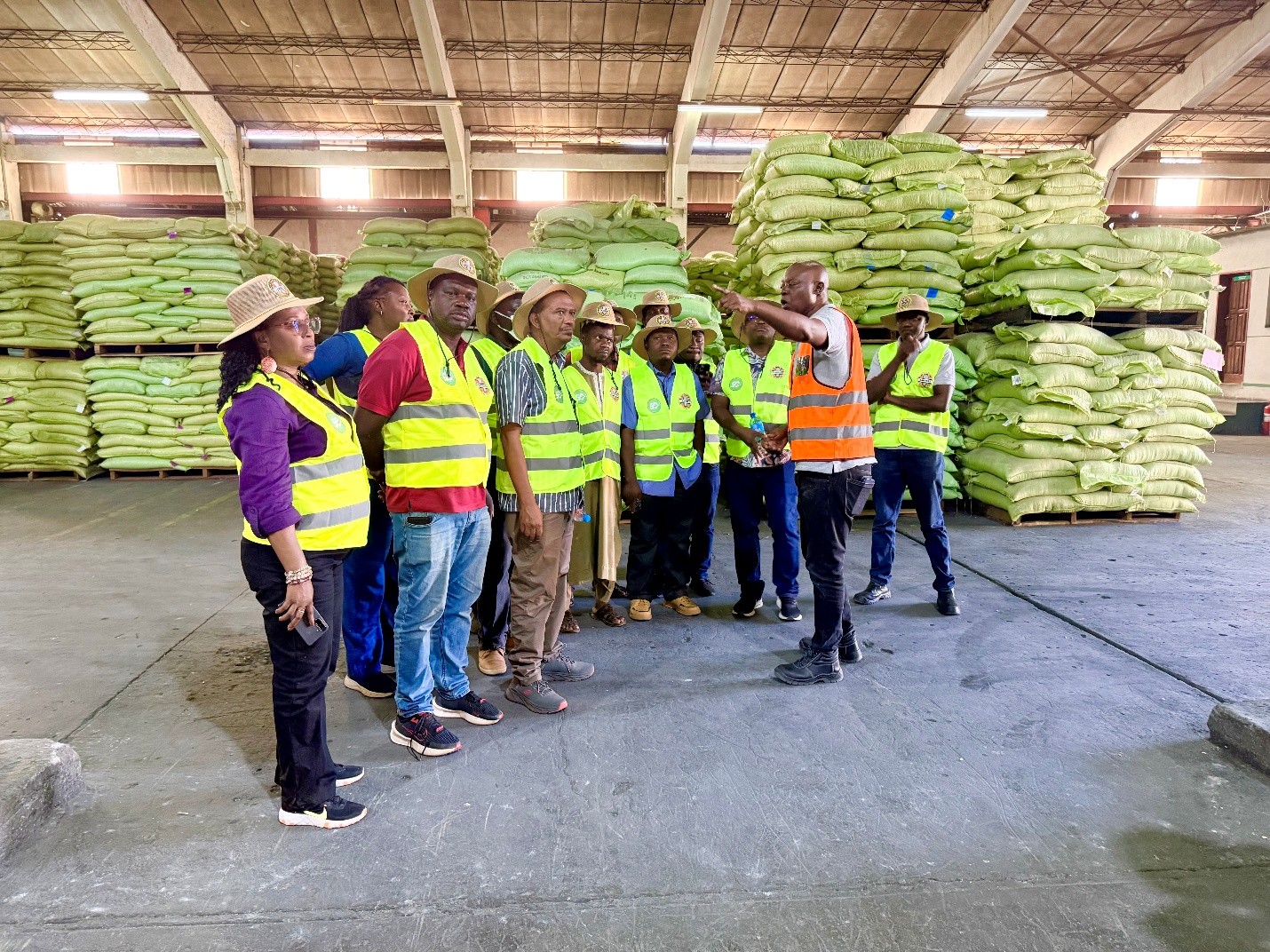
The breeders are taken through the seed processing factory at ZAMSEED.
While OPVs are valued for their affordability and the ability for farmers to recycle seed, they typically produce lower yields, averaging one to two tons per hectare. Hybrid maize varieties, which are more widely adopted in Southern Africa, can yield between 4 and 6 tons per hectare or more under good management conditions. The gain for shifting from OPVs to hybrid adoption far exceeds the cost of additional inputs such as fertilizer.
This difference represents a critical shift from land-driven to productivity-driven agriculture. Rather than increasing production by expanding cultivated land, hybrid systems demonstrate how more grain can be produced efficiently on less land through improved genetics, stronger seed systems, and better agronomic practices.
The maize breeders at ART in Zimbabwe.
Increasing hybrid maize adoption in West Africa, therefore, presents an opportunity not only to improve yields and farmer incomes but also to reduce pressure on land expansion, thus saving forests and strengthening climate resilience.
However, adoption of hybrid maize in much of West Africa remains low, estimated between 12% and 30% in countries such as Nigeria and Ghana.
Why West Africa should grow hybrid maize
Promoting hybrid maize over open-pollinated varieties (OPVs) in West Africa could drive both economic transformation and climate resilience. With the potential to deliver yields 15%–30% higher, hybrid maize can help smallholder farmers transition from subsistence production to market-oriented farming, improving incomes and strengthening regional food security.
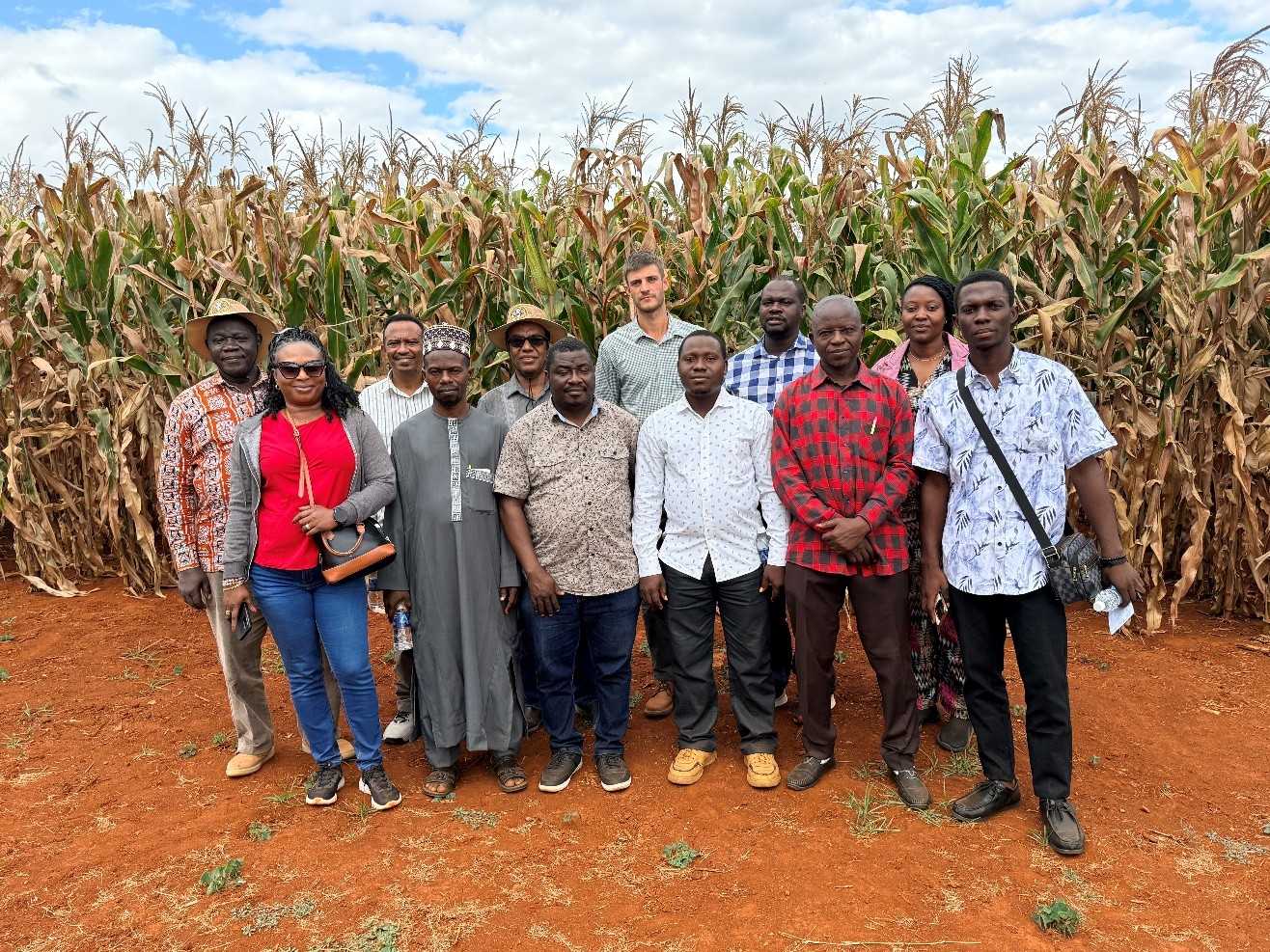
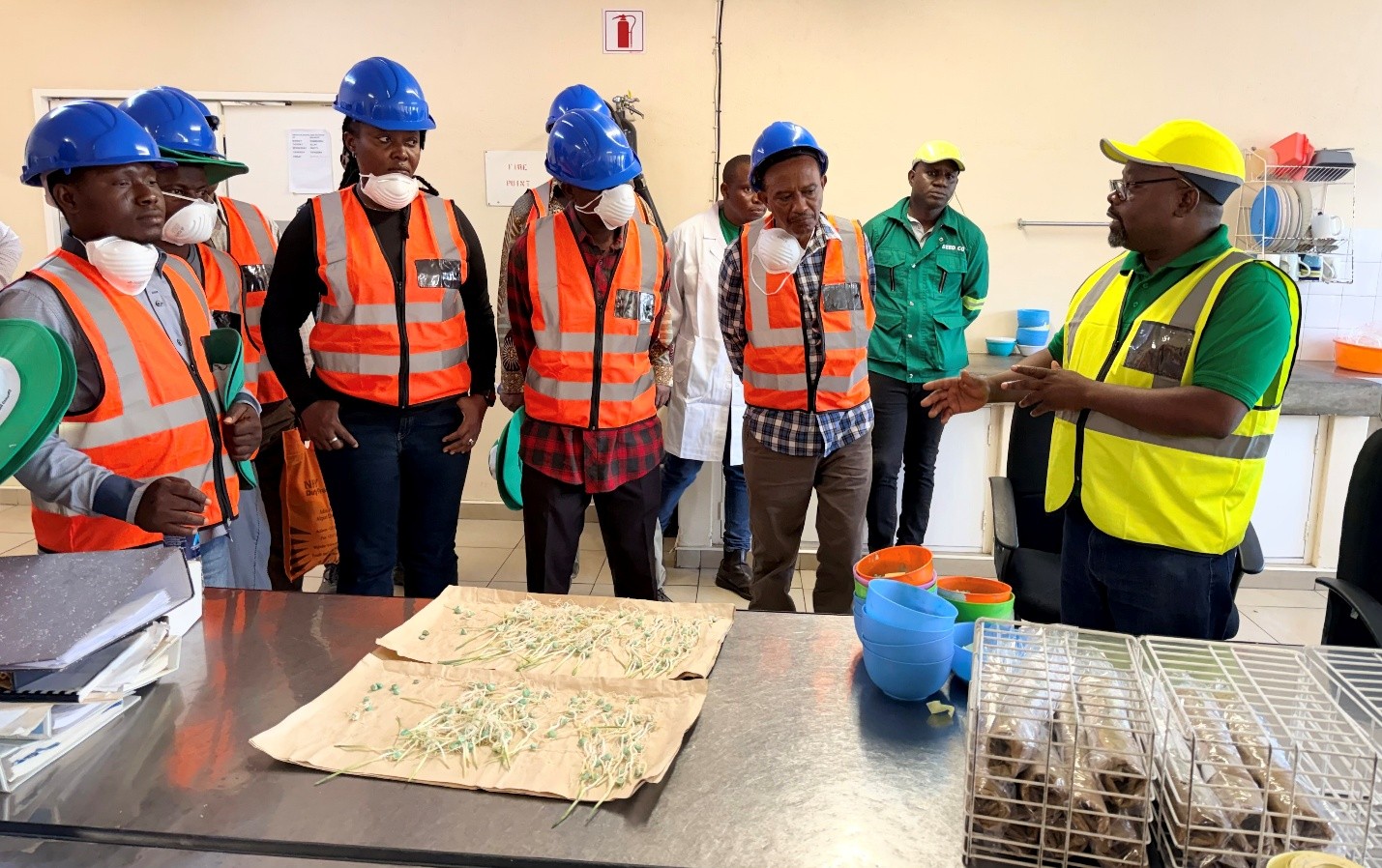
At the SEED CO seed processing lab in Zimbabwe.
Higher productivity also means farmers can produce more grain on less land, reducing pressure to expand cultivation into forests and marginal areas. In this way, hybrid maize systems support both agricultural intensification and environmental conservation by enabling more efficient land use.
Learning from proven systems
In contrast, countries such as Zambia and Zimbabwe have developed mature hybrid maize systems built on decades of investment in breeding, seed production, farmer engagement, and private sector participation.
Zambia has emerged as one of Southern Africa’s leading maize producers, with production in the 2024/25 agricultural season rebounding to approximately 3.6 million metric tonnes from about 1.5 million tonnes in the previous season. This level of production exceeds national consumption needs and positions the country as a regional maize supplier.
Zimbabwe also maintains one of the continent’s most integrated hybrid maize systems, supported by strong linkages between breeding programs, seed companies, and farmers.
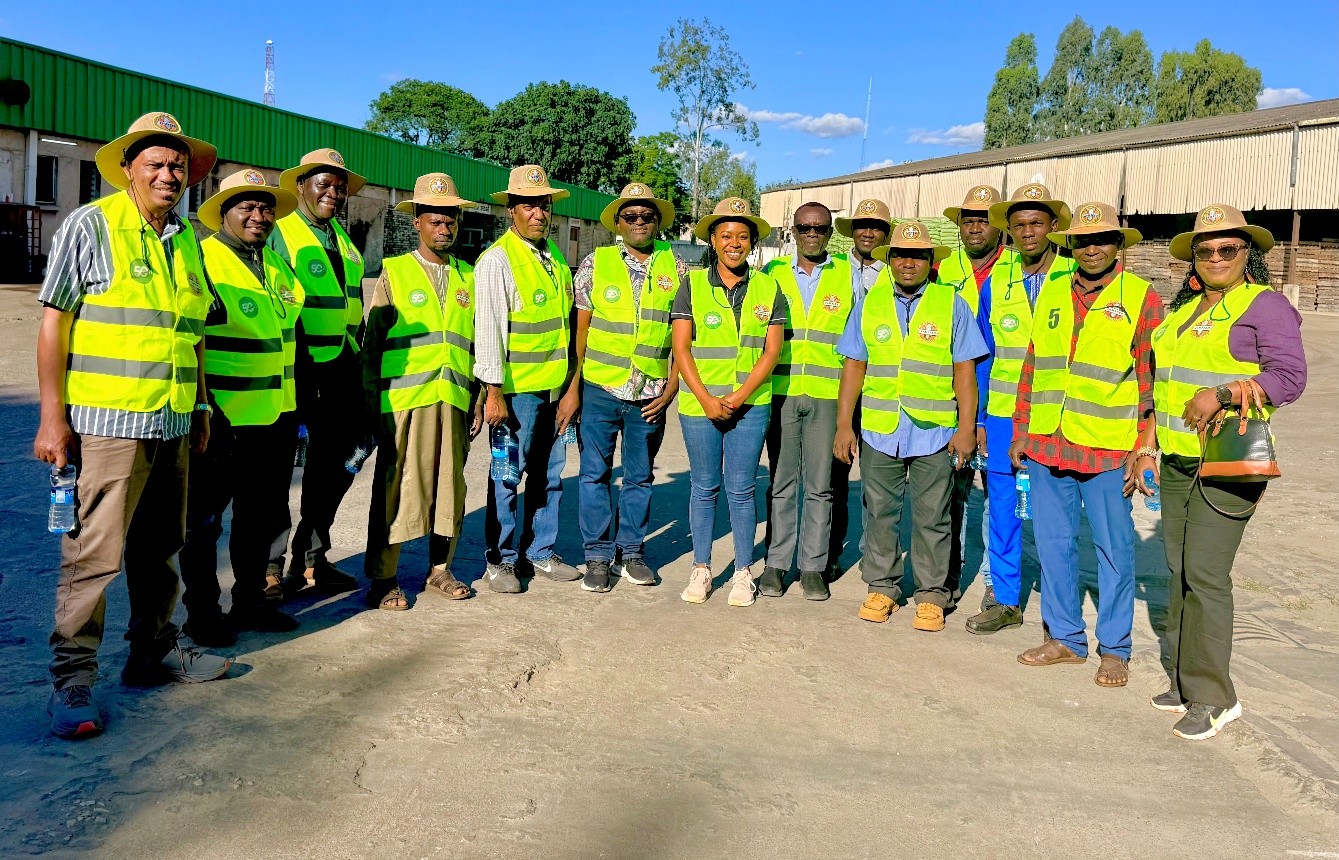
NARES 2026 Hybrid-Maize Learning tour delegates during a visit to the ZAMSEED factory in Zambia.
These systems provided important learning opportunities for the visiting Fellows.
The learning journey began in Zambia, where participants visited Seed Co and Zamseed to gain firsthand insights into hybrid seed development and delivery systems.
At Seed Co, researchers explored trial design, product evaluation, and demonstration systems, learning how structured field trials generate reliable data and effectively communicate value to farmers and partners.
At Zamseed, participants followed the entire seed value chain, from breeding and seed multiplication to processing and marketing.
“Zambia demonstrates what is possible when strong seed systems, private sector engagement, and farmer access to improved varieties come together. As a seed industry, you cannot operate alone. You have to be very integrated as an industry,” said John MacRobert, Zamseed, Head of Station and Yield Improvement Centre.
The tour then proceeded to Zimbabwe, where participants engaged with the Agricultural Research Trust (ART), CIMMYT, and Seed Co Zimbabwe.
At ART, they explored sustainable agricultural research models, including partnerships, contract research, and innovations in soil fertility and nutrient management. At CIMMYT, the focus shifted to maize breeding, mechanization, and on-farm evaluation systems, key drivers of productivity and efficiency.
For many participants, the experience provided practical lessons that could directly strengthen breeding and seed systems back home.
“These are lessons we can directly apply back home. I wanted to learn something new to add to my breeding program, and coming here has opened my mind to new ways of doing things and best practices to achieve maximum yields,” said Dr Priscilla Ribeiro, a research scientist and maize breeder from the Council for Scientific and Industrial Research – Crops Research Institute in Ghana.
From learning to action
Throughout the tour, one message remained clear: successful hybrid maize systems are built on strong, integrated processes that connect breeding, seed production, distribution, and farmer engagement.
IITA Head of Maize Breeding, Prof. John Derera, who led the delegation, emphasized the importance of learning from systems that are already working. “Our goal as IITA and collaborating partners is to increase hybrid maize adoption in West and Central Africa from the current estimated 25% to about 60% over the next five to ten years. We do not have to reinvent the wheel. We can learn from countries already doing well and apply those lessons back home,” he explained.
The learning tour provided participants with practical, real-world insights that can now be adapted to strengthen hybrid maize systems in their respective countries. As the initiative moves from learning to implementation, the focus will shift to translating these lessons into tangible impact. Strengthening breeding programs, improving seed systems, accelerating the adoption of climate-resilient hybrids, and ultimately improving food security and farmer livelihoods across West Africa.
Contributed by Rachel Namukolo-Nali



No Comments