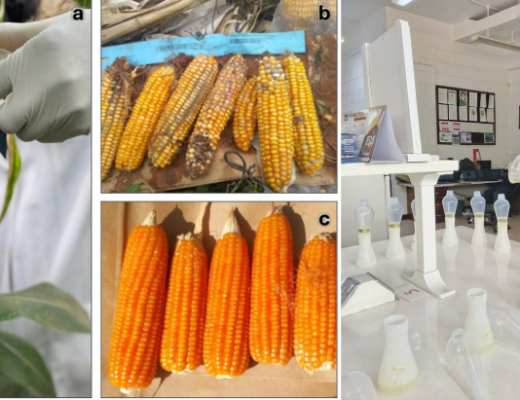
The collaboration between IITA’s Maize Improvement Program, Pathology and Mycotoxin/Aflasafe Unit, and the University of Ibadan has generated new evidence that resistance to aflatoxins can be combined with productivity and agronomic stability—bringing host-plant resistance closer to becoming a practical…
Plant health
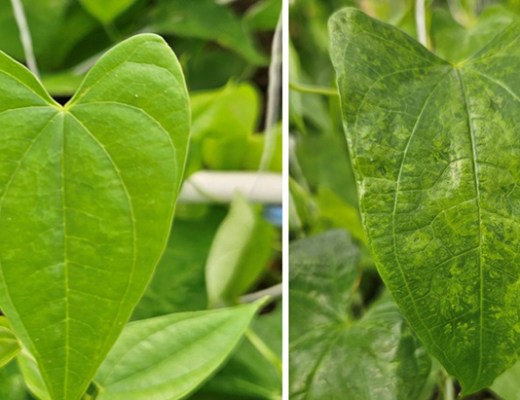
New genomic evidence could help scientists distinguish ancient viral remnants from active infections—and support safer yam germplasm exchange Yams are prone to several viruses, and some of their genomes contain diverse viruses known as endogenous pararetroviral sequences (EPRVs),…
From forgotten crop to future food: Nigeria designs the next generation of Bambara groundnut
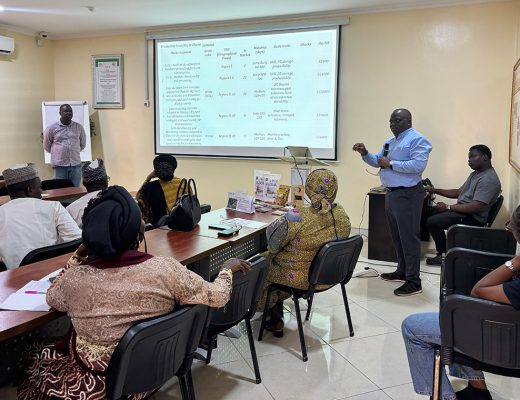
For decades, Bambara groundnut has been quietly feeding families across Nigeria. In rural communities stretching from the savannahs of the north to the forest zones of the south, farmers (many of whom are women) have relied on this hardy…
NemAfrica at 10: How science is helping farmers beat potato and root pests NemAfrica, founded to unite experts in nematology research in Africa, is a joint nematology laboratory between IITA–CGIAR and the International Centre of Insect Physiology and Ecology (ICIPE). NemAfrica works to tackle nematode…
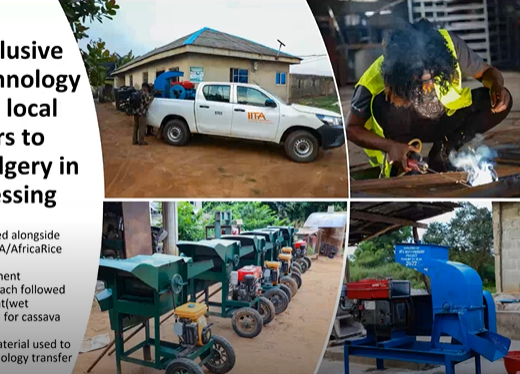
Since 2022, the IITA Gender Science Network (GSN) has been spearheading a transformative initiative to integrate a gender lens into research and institutional activities…