
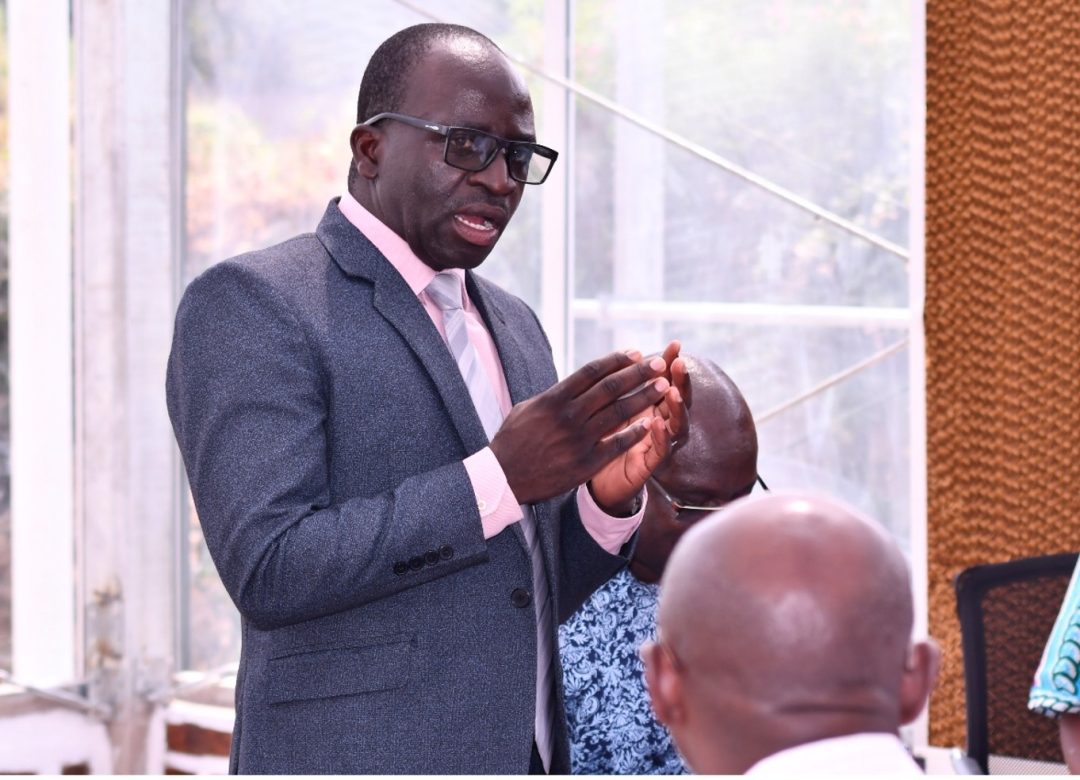
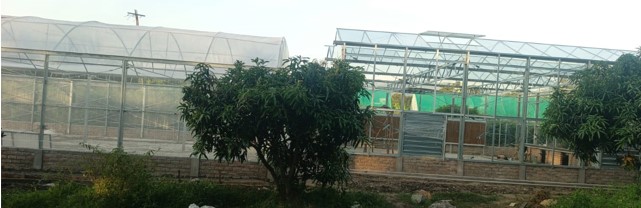
Screen (left)/glass (right) house for BBTV phenotyping
Banana is an important crop serving millions of households as a staple food and source of income in East Africa. It drives food security, nutrition, and rural livelihoods across the region, with its value deeply integrated in smallholder farming systems and local markets. But the crop faces serious threats, including banana weevils, nematodes, black Sigatoka, Fusarium wilt, bacterial wilt, and the recent invasive virus: Banana Bunchy Top Virus (BBTV). BBTV stunts plants and causes 100% yield loss within three years. It results in annual production losses worth US$200 to 600 million in Africa and is classified as an A1 quarantine pathogen and one of the top 100 worst invasive alien species. Once a field is infected, that season is lost, and future suckers won’t fruit.
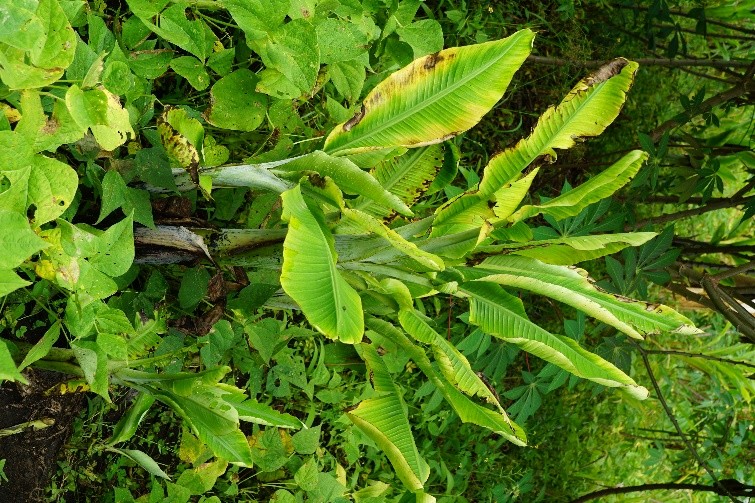
BBTV infected banana plants
As part of efforts to combat the disease and build a clean seed system, IITA and the Institut des Sciences Agronomiques du Burundi (ISABU) launched a modern screenhouse/glasshouse in Bujumbura worth $174,404.35 on 15 June 2026. The facility gives the region its first dedicated space to test banana germplasm for BBTV resistance at scale. Scientists can now identify resistant parents more quickly and fast-track the breeding of hybrids that remain productive in areas where BBTV is present.
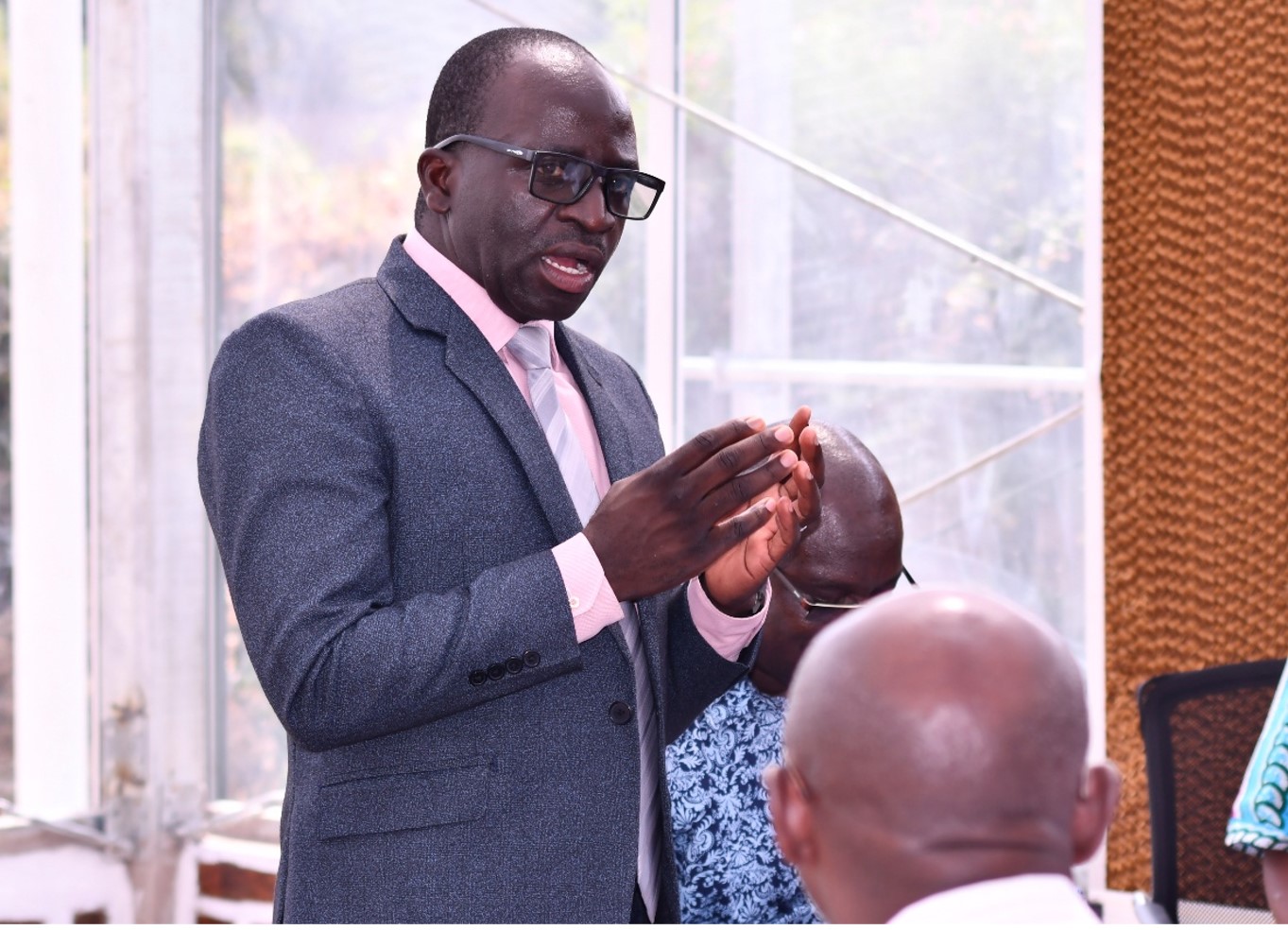
Left: Prof. S. Musomerimana – ISABU launching the facility
“This facility lets us test banana varieties with precision and speed we never had before so that BBTV-resistant varieties can reach farmers sooner,” said Dr Valentine Nakato, IITA Banana Pathologist. Prof. Rony Swennen, Banana Crop Lead at IITA, added, “With this new facility, the IITA banana breeding program can now screen and develop new banana varieties for resistance to BBTV, which was not possible until now.”
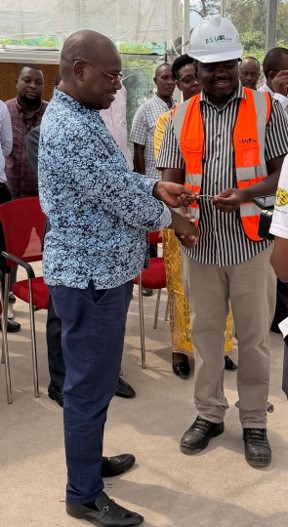
Solar Nation handing over the screen/glasshouse keys to Dr P. Mutuo, the Country Representative of IITA-Burundi.
To turn that capacity into impact, IITA will work with National Agricultural Research Systems (NARS) on a coordinated breeding strategy. All parental lines across three banana breeding programs (Uganda, Tanzania, and Nigeria) will be screened for BBTV resistance, resistant parents will be used in crossing schemes to introgress resistance into new hybrids, and NARS will lead multilocation and on-farm trials to test performance across agroecologies and drive the release and dissemination of BBTV-resistant varieties to farmers.
This milestone closes a major gap in the region’s banana defense system and protects a crop that feeds millions across East Africa. The screenhouse was launched by Prof. S. Musonerimana, Director General of ISABU, and Dr P. Mutuo, IITA-Burundi Country Representative, who emphasized that IITA’s investment was driven by a shared commitment to strengthen collaborative research between IITA and ISABU. The new facility is proof that IITA and ISABU can move from shared goals to shared infrastructure, turning research plans into tools that deliver solutions to farmers.
“It was a great honor for ISABU to see our collaboration with IITA growing. The handover of this glasshouse demonstrates our joint commitment to advancing agricultural research, innovation, and capacity-building on BBTV. This facility will help us increase tolerant varieties, reduce disease losses, and boost banana production for farmers,” said Dr Ir Micheline Inamahoro, Director of Research at ISABU.
Building on what works
IITA and its partners are not starting from zero. They have been building momentum against BBTV across East Africa for years. In March 2024, they aligned regional breeding efforts when IITA and six National Agricultural Research Centers signed the Mchare and Matooke Regional Target Product Profiles to boost the impact of banana breeding impact. Burundi, DRC, Kenya, Rwanda, Uganda, and Tanzania now test hybrids jointly using standardized procedures, and the new Burundi screenhouse plugs directly into that network. Before that, since BBTV hit Uganda and Tanzania in 2020, IITA led the “Combating BBTV in East Africa” project with support from USDA-FAS and USAID.
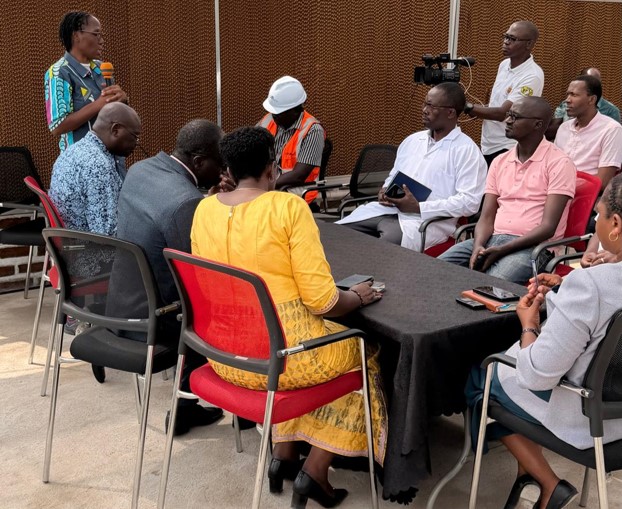
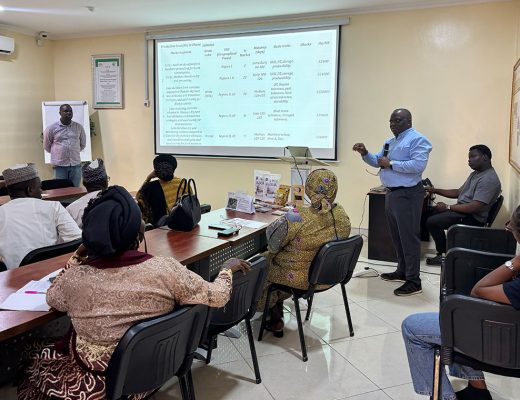
Dr Nakato-IITA giving project overview.
Through the project, IITA and partners conducted delimitation surveys, trained diagnostics teams in rapid Recombinase Polymerase Amplification (RPA) and Loop-mediated Isothermal Amplification (LAMP) tests, and established a regional technical working group to coordinate the response. On the ground, they are also preparing farmers. Under the Ukama Ustawi Learning Alliance, banana growers from BBTV-free districts in Uganda toured Kasese to see the disease firsthand. Peer learning, plus early detection, roguing, aphid control, and use of clean planting material, is already building the frontline defense communities need.
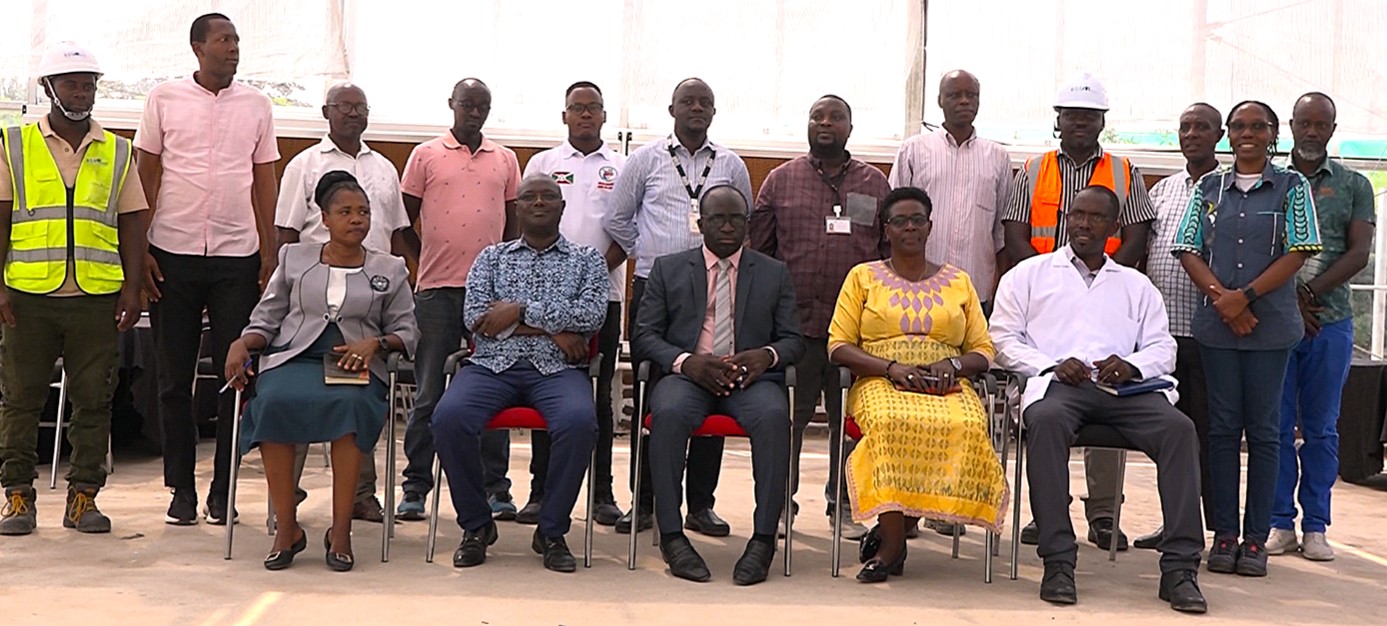
Participants at the glasshouse launch: Prof. S. Musonerimana at the front row centre, Dr P. Mutuo and M. G. Hakizimana on his left, and Dr M. Inamahoro and Ir. W. D. Emera on his right. Dr Nakato Valentine (far right).
With dedicated capacity for BBTV phenotyping now in place, screening will be more rigorous, and the pipeline to resilient varieties will be much faster. IITA’s banana breeding program has long delivered improved varieties across the Great Lakes region, including, NARITA hybrids released through long-standing partnerships with NARS in Uganda, farmer evaluation of NARITA in Kenya, and free TARIBAN plantlets for scaling in Tanzania. The program has developed strong phenotyping for black Sigatoka, weevils, nematodes, Fusarium wilt race 1, and bacterial wilt. BBTV was the missing piece, and now it is in place. This screenhouse turns intent into action. It shifts the region from reactive responses to BBTV outbreaks to proactively breeding for resistance ahead of time. For Burundi and the wider region, it means stronger banana livelihoods, protected biodiversity, and a staple crop that continues to feed communities for generations to come.
Contributed by Valentine Nakato, Moureen Awori, Rony Swennen, Moses Nyine, Gloriana Ndibalema and George Mahuku

No Comments