
Roots, Tubers, and Bananas (RTB) crops, which include cassava, yam, banana, plantain, sweet potato, and potato, remain at the heart of food and nutritional security for millions of people across the tropics. In sub-Saharan Africa, especially these crops contribute…
All Posts By
Evans Samuel
In late May, the African Development Bank Group will convene its Annual Meetings in Brazzaville, Republic of Congo, under the theme, “Mobilizing Africa’s Development Financing at Scale in a Fragmented World.…
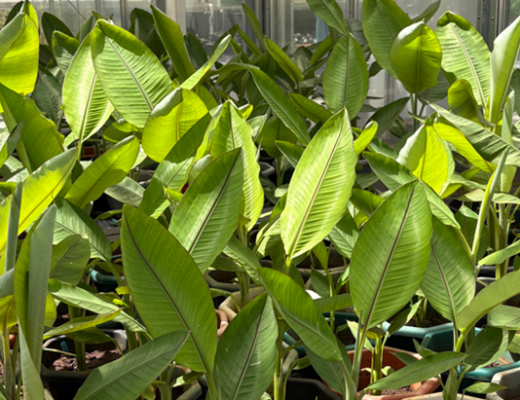
Landmark decision recognizes non-GMO status of gene-edited banana events 12 May 2026 – Nairobi, Kenya: A quiet but significant shift in Kenya’s agricultural landscape is opening new opportunities and doors for innovation and renewed hope for banana farmers affected…
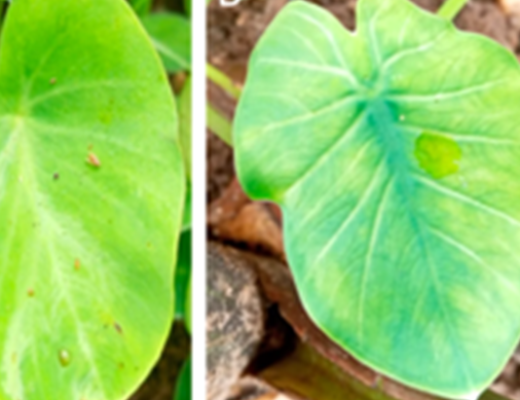
Taro (Colocasia esculenta) – locally known as cocoyam in Nigeria – supports food and nutrition security for many rural households in Nigeria and other parts of Africa. Nigeria is the world’s largest taro producer, cultivating approximately 1.3 million hectares…
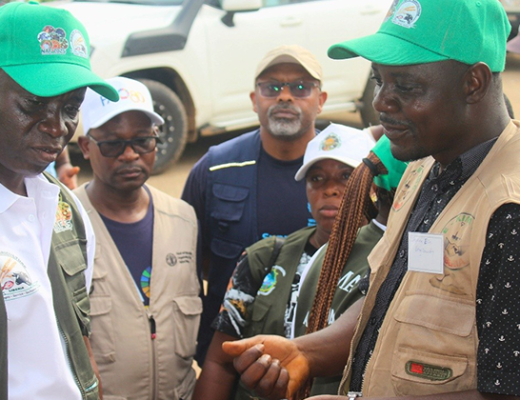
In Liberia, the agriculture sector is considered a strategic pillar for alleviating poverty, improving food and nutrition security, and increasing farmers’ income. The sector provides livelihood for more than 68 percent of the country’s population. It is impacting Liberia’s quest for food…
Science Blog
IITA launches bamboo-based agroforestry initiative in Uganda to boost farmers’ livelihoods and environmental sustainability
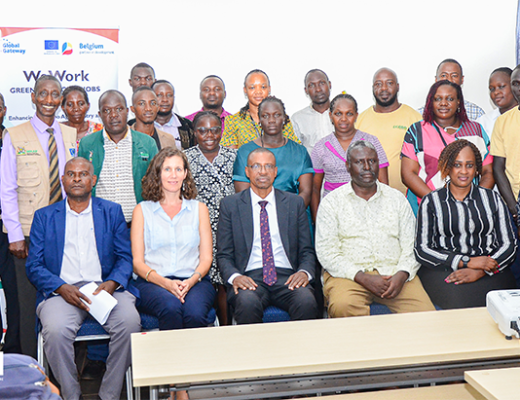
IITA–CGIAR has launched a groundbreaking initiative to enhance bamboo agroforestry and economic resilience among smallholder farmers in Uganda. “Enhancing Bamboo Agroforestry & Economic Resilience for Smallholder Farmers in Uganda”, under the WeWork-green and decent jobs for youth project,…
Western Africa
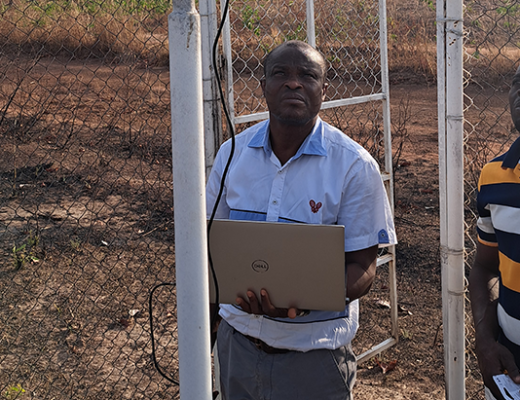
Reading the sky to feed the land: How IITA is turning weather data into decision support systems for smallholder farmers
On World Meteorological Day, marked on 23 March, the world is asked to reflect on the importance of weather observation. This year’s theme, ‘Observing today, protecting tomorrow,’ could be read as an abstract aspiration. However, at the International Institute…
Refuse to be a victim of your circumstances, believe in your strengths, work hard, and seize every opportunity.…