
In 2024, IITA–CGIAR in Mozambique, in partnership with 15 national and international organizations, began implementing the Accelerated Innovation Delivery Initiative (AID-I), which integrates components such as access to improved seeds, adoption of improved and climate-resilient agricultural practices, nutrition and food security, access to markets and credit, and livestock farming.
In Zambézia province, the livestock component is driving the creation of new income sources, social cohesion, improved nutrition, and sustainable animal husbandry in communities, involving men, women, and young people.
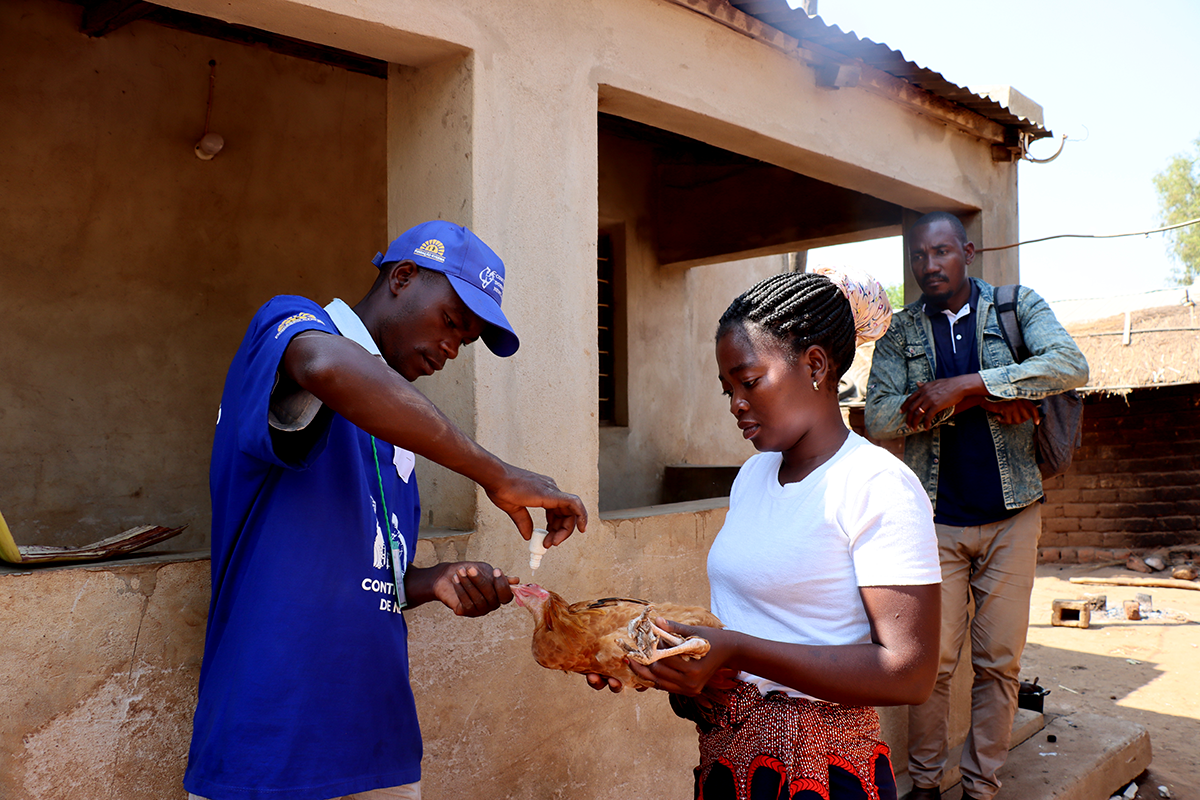
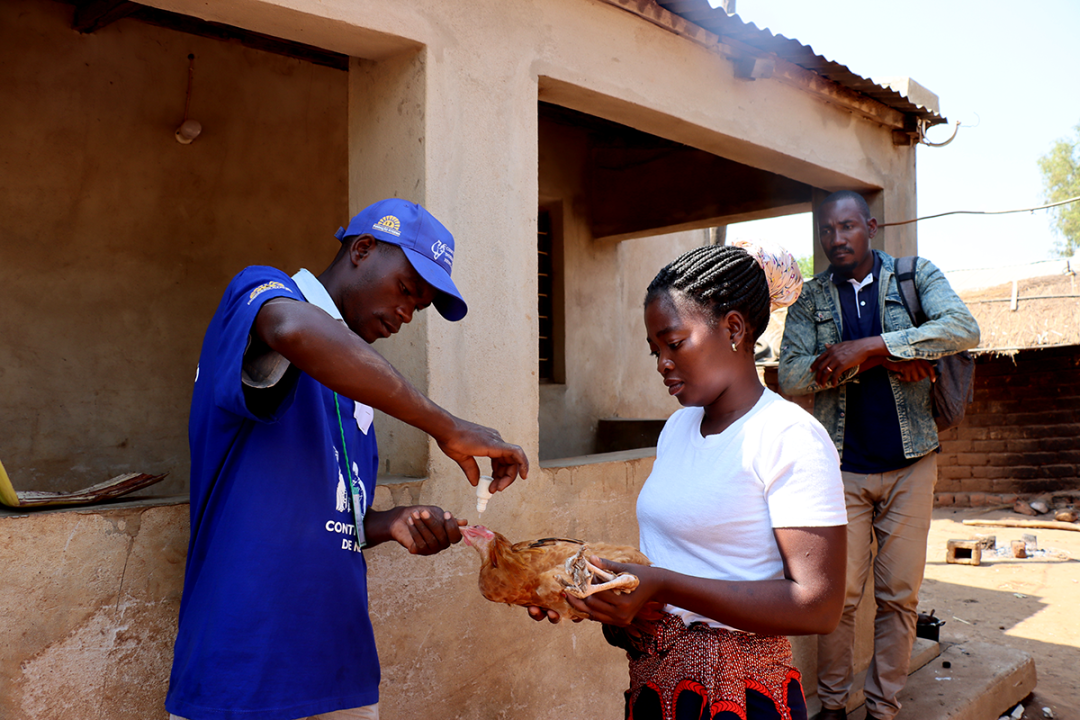
Community agent vaccinating poultries in his community.
With the support of the Kyeema Association, one of AID-I’s partners, young people who recently completed high school and are looking for ways to continue their education have formed an association to breed and market Boschveld breed eggs and chickens in their communities. This is an improved breed of chicken, introduced and promoted in communities for its benefits in size, productivity, and nutritional value.
Amone Amido, a young man who recently graduated from high school, is a member of the association. Faced with a lack of resources to continue his higher education, he joined other young people from his community, in a similar situation, to form an association to breed and sell chickens and eggs.
“The young people united for the development of Gurúè decided to create this association for personal development purposes. By raising chickens, we can help our families and gain more independence. In the beginning, we had some difficulties raising these birds (of the Boschveld breed) because it was the first time, but thanks to the lectures and visits from the Kyeema technicians, we have received help with this. There are many benefits because, in addition to selling the chickens and eggs, we are gaining experience in how we can develop in the future and create our own business,” shares Amone.
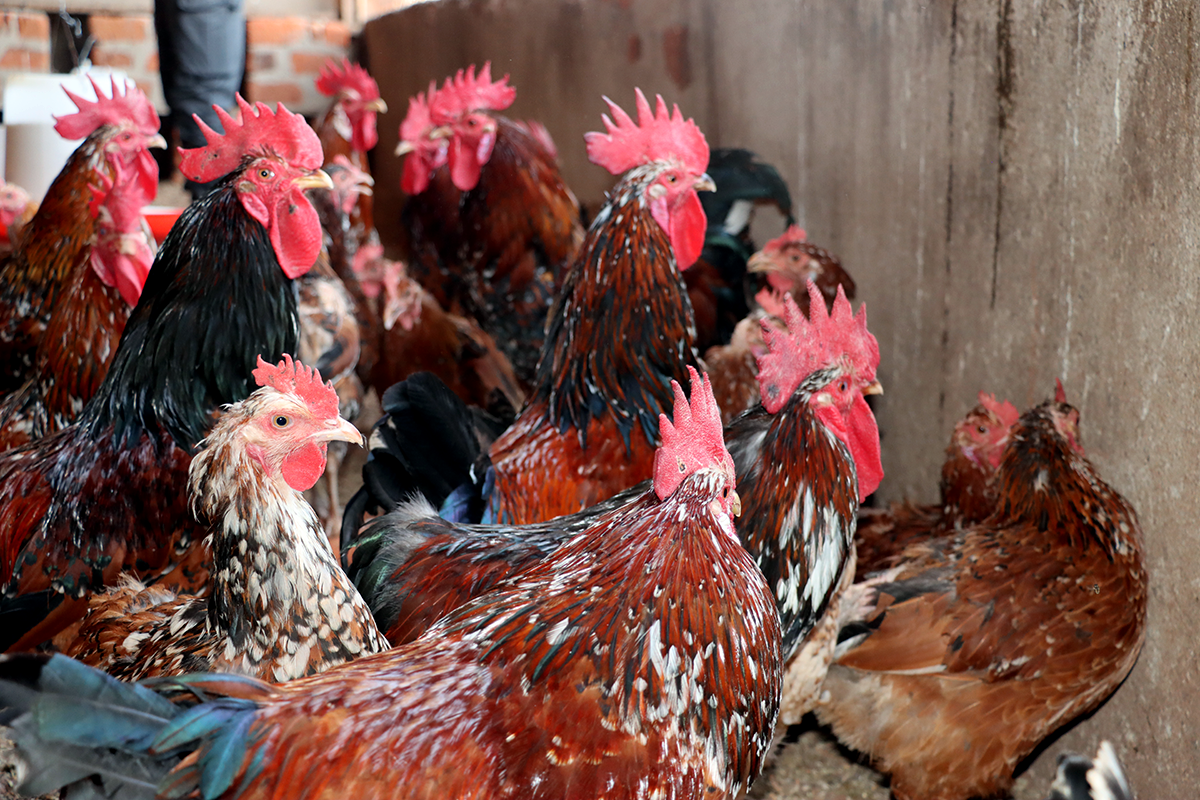
Boschveld chicken introduced in communities as livestock innovation for income generation.
The association, composed of 16 young people from the same community, which received 100 chickens in January 2025, dreams of expanding the business by breeding the birds and growing the business.
The Yacote association, composed of 25 people, 20 of whom are women, benefits from the same initiative. The group owns a chicken farm, selling some of the chickens (males) as meat, keeping the rest for egg production, sales, and breeding to expand the business.
“These chickens have the advantage of producing more eggs than those in the community. They also have more meat, suitable for consumption and sale. We sell each chicken of this breed for 600 meticais, while those from the community sell for between 250 and 300 meticais. With the money we have earned from selling the chickens and eggs so far, we are supporting the business itself, buying bran and feed for the chickens,” says Celestina Biriate, a member of the Yacote Association, in the Gurúè district.
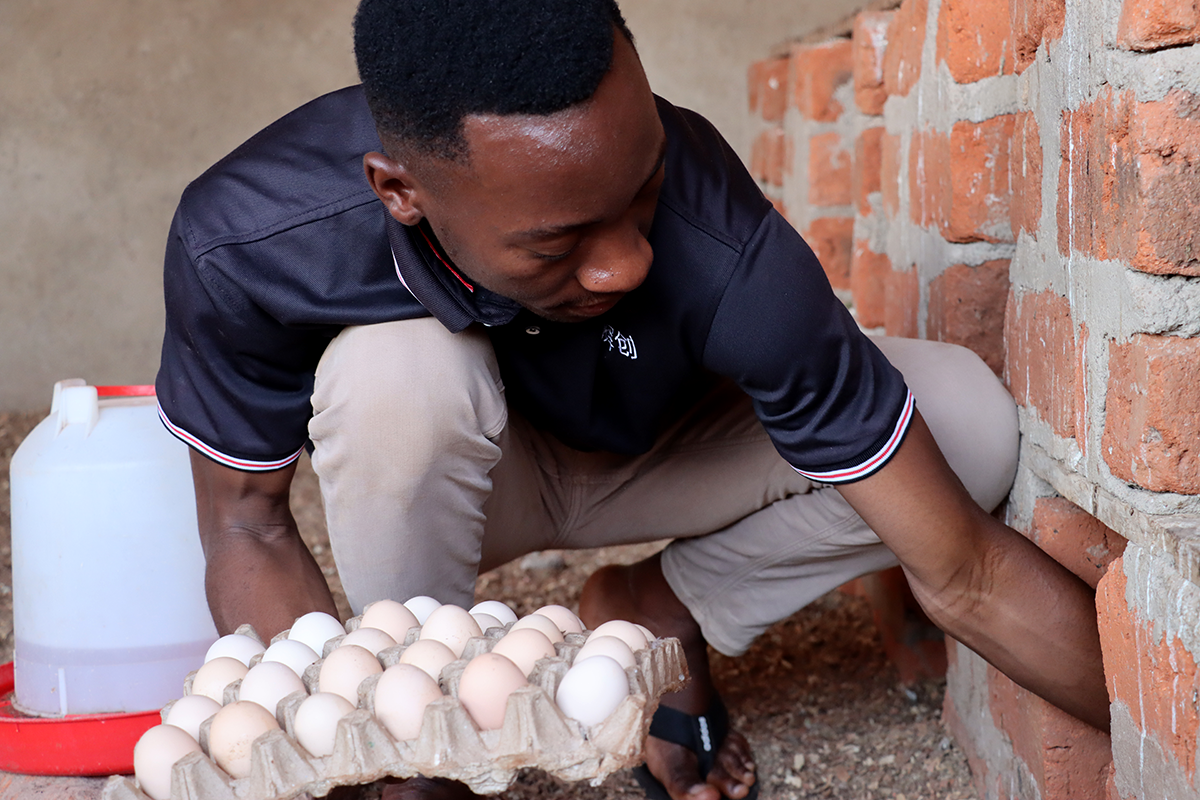
Innovative constructions introduced in communities for better chicken farming.
In addition to supporting the poultry farming population and providing training in care and business management, the AID-I project assists communities in general with vaccination against Newcastle disease. These communities have been suffering for years from the loss of local chickens to the disease. With vaccination, families now have chickens available for their diet and for sale.
“Between July and October, there were always chicken deaths, which worried me a lot. Then, upon the arrival of the technicians talking about vaccination, I decided to join, and I see that it is working. They live longer, and we can use them when we run out of curry. Not only that, if we are short of money, we take a chicken, sell it to be able to buy another type of curry, food, hospital supplies, and other things,” explains Siza Chico, from Lioma, in Gurúè.

Young leader on a community association for breeding and selling Boschveld chickens in Gurúè.
With these actions, the aim is to improve food security for families by vaccinating local breed chickens from more than 44,000 families and distributing improved breed chickens (Boschveld) to 2,400 families until the end of the initiative in the provinces of Nampula and Zambézia, in northern Mozambique.
Contributed by Safira Chirindza

No Comments