
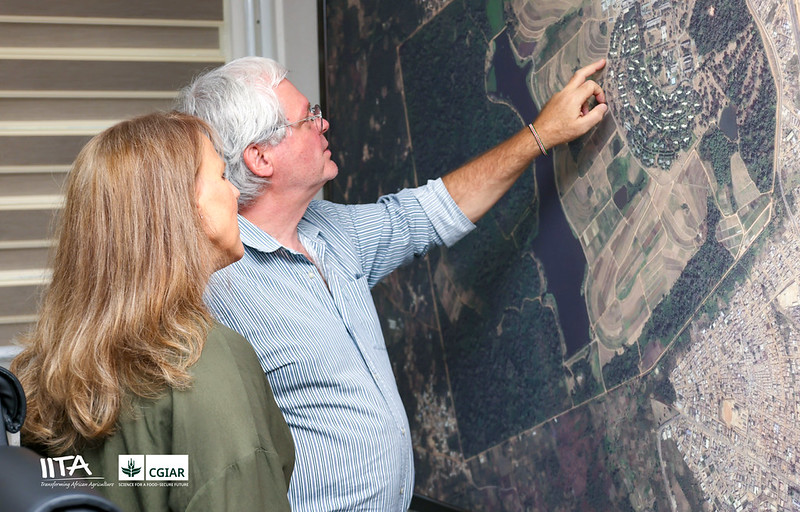
Dr Bernard Vanlauwe showing Dr Sandra Milach the aerial layout of the IITA Campus.
When people think of agricultural research, they often picture scientists in white coats working quietly in laboratories, surrounded by microscopes, and test tubes or researchers on the field under the scorching sun collecting data from field trials.
What is less visible is what happens after the experiments are completed.
How does a research breakthrough become a drought resistant cowpea variety planted by a farmer in southwest Nigeria? How does a laboratory innovation or field trial evolve into a thriving agribusiness, improved nutrition for families, or employment opportunities for young people in northern Madagascar?
These were among the questions that came into focus during the recent technical visit of CGIAR Chief Scientist, Dr Sandra Milach, to IITA’s Headquarters in Ibadan from 22 – 26, June.
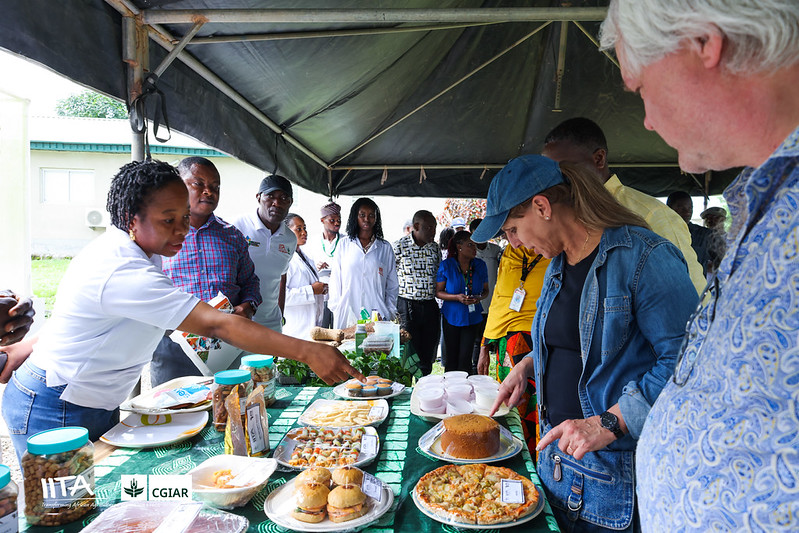
CGIAR Chief Scientist Dr Sandra Milach exploring the value addition display while visiting the IITA yam program team.
Her first technical mission to IITA since assuming office in 2025 was much more than a routine institutional tour. It was an exploration of a larger and increasingly urgent question facing global agricultural research: How can science move beyond laboratories and translate into meaningful impact in people’s lives?
Speaking during the opening discussions, IITA Deputy Director General, Research for Development, Dr Bernard Vanlauwe who hosted the visit, highlighted IITA’s role in research innovation, scaling and breeding adding that the institute has positioned itself as a leader in research for impact on the continent.
Science in service of humanity
Agricultural research has never been more important. With Africa grappling with multiple and interconnected challenges: climate change, declining soil fertility, emerging pests and diseases, malnutrition, population growth, and rising youth unemployment. Addressing these challenges requires more than isolated innovations; it demands science that is practical, inclusive, and capable of delivering impact at scale on the continent.
This vision lies at the heart of IITA’s 2024–2030 strategy focused on science and delivery innovations for African agrifood system transformation, and these ambitions are already taking shape across Africa.
Throughout the one week working visit, Dr Milach met with scientists and partners working across various thematic areas to ensure that research does not end in publications on shelves or remain confined within laboratory walls.
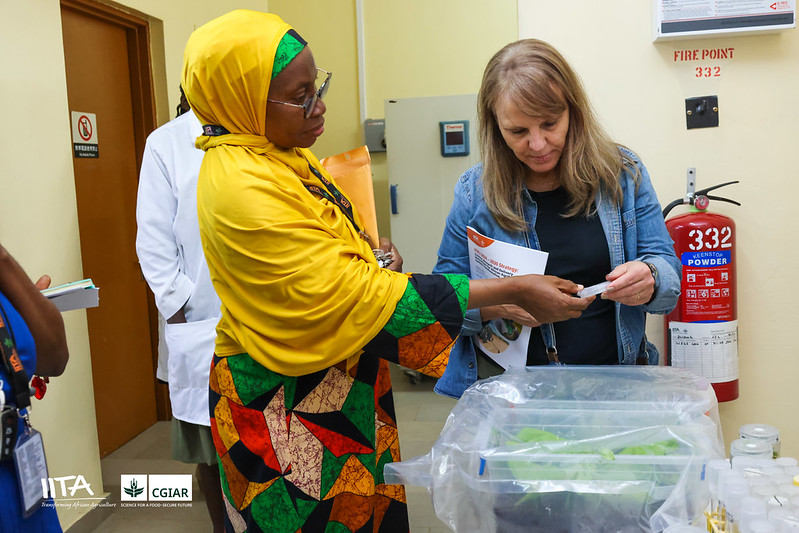
Professor Morufat Balogun with Dr Sandra Milach during a visit to the yam tissue culture lab.
During the visit to the Genetic Resources Center, the IITA genebank, a quiet repository of seeds and plant materials—which in reality serves as an insurance policy for the future of global agriculture— Dr Milach experienced firsthand how IITA scientists are preserving thousands of crop varieties and wild relatives that may hold the key to addressing future threats.
Presenting on the activities at the Genetic Resources Center, Professor Michael Abberton, Director, IITA West African Hub, and Head of Bioscience and Genetic Resources Centers, said IITA is strengthening its cryobanking capacity and collaborating with partners across West and Central Africa to expand cryopreservation as a long-term conservation strategy.
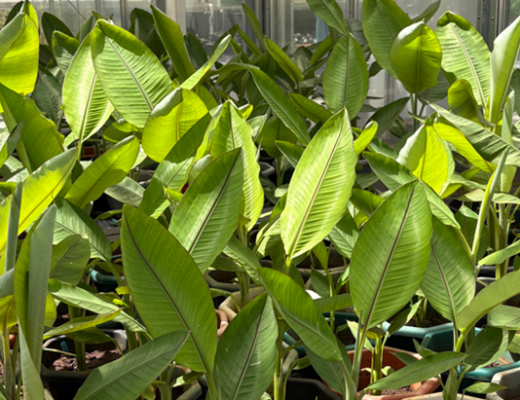
Adding that the institute is using genotyping, environmental data, GPS information, and genome-wide analyses to identify valuable traits particularly drought and heat tolerance in crops such as cassava and cowpea. According to Prof. Abberton, IITA’s research is being carried out in partnership with national programs.
“New technologies, including drones, are being introduced to improve crop characterization and link field observations with molecular data for more efficient genetic analysis.” He said.
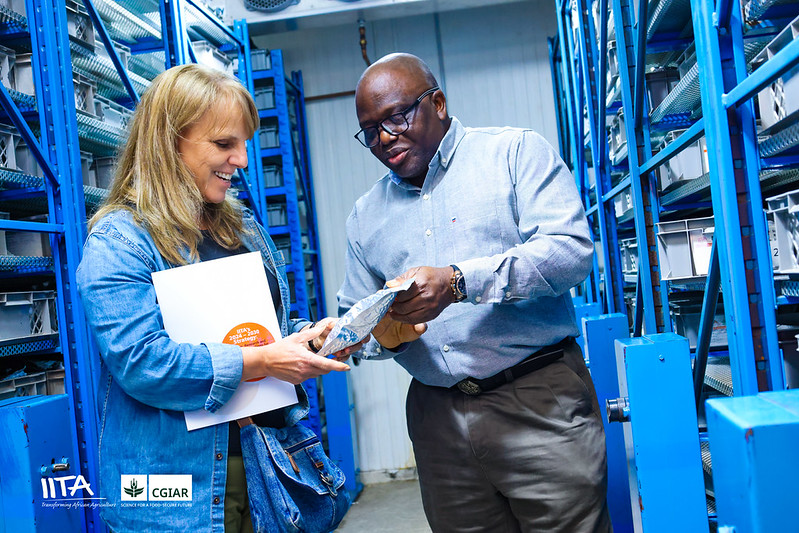
Dr Olaniyi Oyatomi with Dr Sandra Milach during a tour of the IITA Genetic Resources Center.
As global climate conditions become increasingly unpredictable, traits such as drought tolerance, pest resistance, and improved nutritional quality are becoming more valuable than ever. IITA’s investments in preserving genetic resources, cryopreservation technologies, advanced genotyping, and genome-wide analyses demonstrate how science is helping secure agricultural biodiversity for generations to come.
Yet, the true value of these collections emerges when science innovation is transformed into improved crop varieties that farmers can use to improve their productivity and resilience.
Scaling science beyond research stations
Perhaps the most powerful message emerging from Dr Milach’s visit was that scientific breakthroughs alone are not enough, a research innovation that remains in a research station cannot transform livelihoods—Impact happens when innovations reach the last mile users—People.
Recognizing this reality, IITA guided by the 2024–2030 strategy has spent the past decade intentionally strengthening its delivery and scaling efforts. Rather than developing technologies that can improve the lives of millions and stepping away after project completion, researchers at IITA are increasingly engaging in long-term partnerships with government agencies, national research systems, local communities, private companies and other research organisations that ensure innovations are adopted and scaled.
This ecosystem approach is becoming increasingly central to agricultural transformation across Africa.
Building businesses from research
Taking a tour of the IITA Business Incubation Platform (BIP), which represents an important bridge between research innovation and commercial application, Dr Milach was shown how IITA is translating research into livelihoods.
With the scaling of improved seed systems under IITA GoSeed, and aflatoxin biocontrol technology with Aflasafe, these are not simply being developed—they are creating economic opportunities for people across Africa. This means access to better seeds and technologies that increase productivity for smallholder farmers, opportunities to establish agribusinesses for young people, and improved food security, employment, and industrial development.
Speaking with IITA’s leadership and scientists, Dr Milach raised important questions regarding research scaling and sustainability, business growth, investment mechanisms, and long-term partnerships with the national systems and private sector. These conversations underscored a growing realization within global agricultural research—agricultural research impact and economic development must increasingly go hand in hand.
One major highlight of Dr Milach’s visit was an interactive session with the next generation of researchers who will shape Africa’s agricultural future. During her meeting with members of the International Association of Research Scholars and Fellows (IARSAF), discussions went beyond technical science; they focused on careers, leadership, collaboration, and the importance of pursuing research that delivers real-world impact.
Because the future of agricultural transformation will depend not only on research innovation but also on the people who develop, adapt, and scale them, the interactive session reinforced IITA’s position on strengthening the capacity of young people.
Partnerships for impact
Whether it is the release of improved cassava varieties, strengthening seed systems, improving soil health, or combating aflatoxin contamination, meaningful impact requires collaboration, and top on IITA’s 2024-2030 strategy is partnerships, as agricultural transformation is ultimately a collective effort. While the research may generate innovation, partnerships ensure that agricultural innovation reaches the people who need it most.
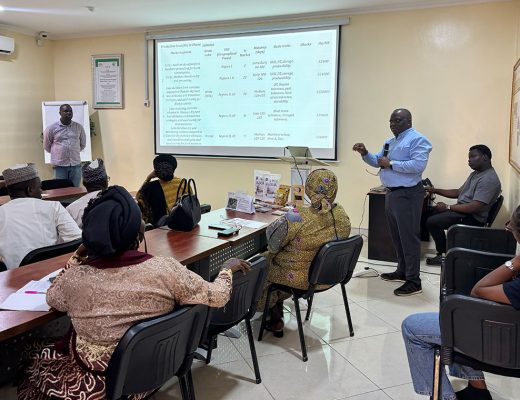
In a partners’ engagement meeting led by Deputy Director General, Partnership for Delivery and Scaling, Dr Abdoulaye Tahirou, the Chief Scientist met with various partners—representatives from government institutions, universities, and private companies repeatedly emphasizing the value of their partnerships with IITA.
Partners from Nigerian Agricultural Quarantine Services; Ogun State High Commissioner for Agriculture and Food Security; National Centre for Genetic Resources and Biotechnology (NACGRAB); National Root Crops Research Institute (NRCRI); National Horticultural Research Institute (NIHORT); Obafemi Awolowo University; University of Ibadan; Da-Allgreen; Psaltry International company; and Niji Lucas Group, expressed how IITA has contributed to agriculture and food security.
Speaking during the partners’ engagement meeting, NIHORT Research Director, Dr Dorcas Ibitoye said IITA’s partnership with the national research institute resulted in the development and release of three new plantain varieties in Nigeria, marking the first of its kind in the country.
Dr Milach’s working visit to IITA headquarters in Nigeria came to an end with a courtesy visit to the Governor of Oyo State, Engineer Seyi Makinde led by IITA Director General Dr Simeon Ehui, along with Dr Vanlauwe, Dr Debo Akande and Dr Ibnou Dieng.
As the visit concluded with engagements involving partners, policymakers and state leadership, one message was clear— the future of Africa’s agricultural research will not be determined solely by research excellence, it demands stronger partnerships, more deliberate scaling mechanisms, increased investments in people, and a relentless focus on impact.
With these the power to improve livelihoods, strengthen food systems, transform agriculture, and contribute to a more resilient and prosperous Africa.
Contributed by ‘Timilehin Osunde and Tolulope Akinola

No Comments