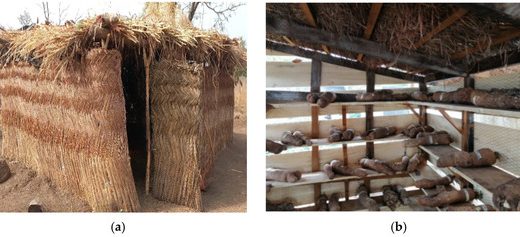
In West Africa, yam production is far more than an agricultural activity. It is a deeply embedded system that sustains millions of livelihoods, shapes rural economies, and reinforces cultural identity. Across the region, yams occupy a central place not…
evans samuel
In Nigeria, long before the dominance of maize and rice, farmers cultivated a range of indigenous crops uniquely adapted to local ecologies and nutritional needs. Among these are fonio–locally known as acha in some parts of Nigeria and the…
IITA Forest Center inspires future sustainability leaders through experiential learning
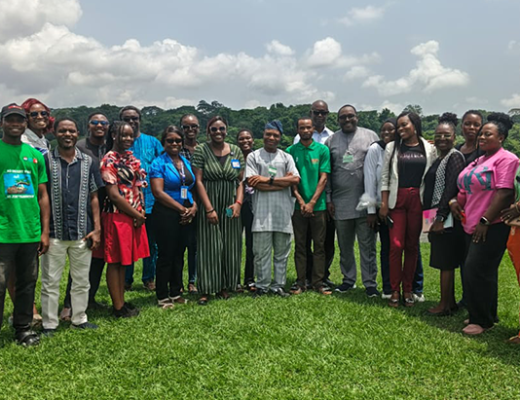
For students studying sustainability, few learning experiences are as impactful as witnessing environmental conservation in practice. This became a reality for Master’s students from the Department of Sustainability Studies, Centre for Sustainable Development (CESDEV), University of Ibadan, who on…
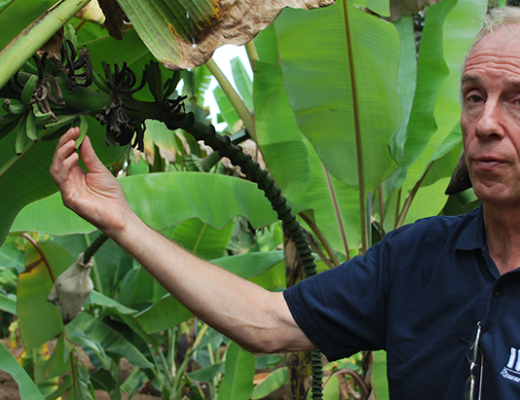
The Program for Seed System Innovations for Vegetatively Propagated Crops in Africa (PROSSIVA) has trained Nigeria’s first cohort of banana and plantain seed entrepreneurs, marking an important milestone in efforts to strengthen the country’s emerging formal seed system. The…
For many years, selecting the right seed varieties for farmers in Rwanda was a slow and highly technical process. Before a seed recommendation could reach farmers, it often took up to two years of station-based trials and on-farm evaluations.…
Accelerating hybrid maize adoption in West Africa: Learning from Zambia and Zimbabwe
West Africa’s transition from open-pollinated maize varieties to high-performing hybrids could significantly transform productivity, strengthen food security, and improve resilience for millions of smallholder farmers. To support this shift, National Agricultural Research and Extension Systems (NARES) partners from Ghana,…